

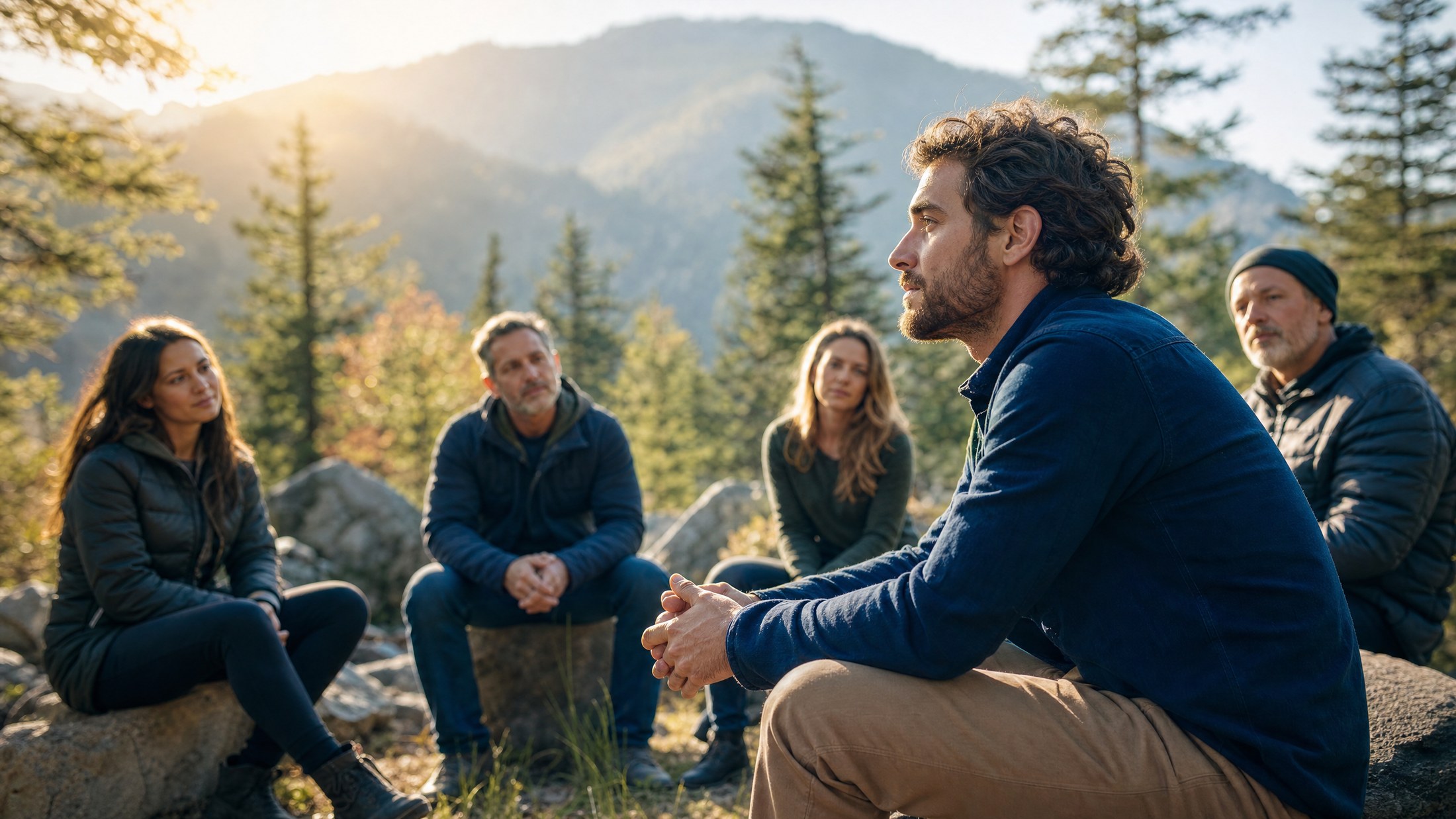


Gratitude in Recovery Cultivating Positivity

Key Takeaways
- Neurochemical Impact: Gratitude practice activates the prefrontal cortex and boosts dopamine, directly countering the brain changes associated with substance use disorder.
- Proven Tools: Structured interventions like the "Three Good Things" exercise can reduce depressive symptoms by up to 35% in early recovery.
- Integration Strategy: Gratitude works best when paired with evidence-based therapies (CBT, MI) and co-occurring mental health support, rather than as a standalone solution.
- Regional Resources: For those in Oregon and Wyoming, combining gratitude work with local support networks—such as Oregon Trail Recovery for outpatient care or Pacific Crest Trail Detox for inpatient needs—creates a robust foundation for lasting change.
Understanding Gratitude in Recovery
When it comes to rebuilding life after substance use, gratitude in recovery isn’t just a buzzword—it’s an essential psychological resource. In Oregon addiction treatment and across leading Wyoming drug rehab programs, gratitude helps people shift from cycles of shame or regret to a mindset focused on growth and resilience. Studies reveal that structured gratitude exercises, like the "Three Good Things" practice, significantly lower depression and build ongoing motivation for sobriety.4
Because gratitude supports emotional well-being and reframing setbacks, this approach is especially valuable for individuals navigating co-occurring mental health challenges along with substance use disorder. For those seeking positive change in Central Oregon or the wider Pacific Northwest, gratitude-based practices offer a proven way to increase hope, accountability, and meaningful connection.6
"Gratitude routines shouldn’t replace primary therapeutic work, but integrating appreciation practices into daily life can build a protective buffer against the highs and lows that often put recovery at risk."
The Neuroscience Behind Gratitude Practice
The human brain responds powerfully to gratitude practice, rewiring itself in ways that can support individuals working through addiction. When people engage in structured gratitude exercises, regions like the prefrontal cortex—responsible for planning and self-regulation—show increased activity. Simultaneously, reward pathways such as the nucleus accumbens light up, much like when someone experiences a sense of accomplishment or joy.8
In Central Oregon, clinicians see how repeated gratitude practice fosters emotional resilience and helps replace the habit loops previously linked to substance use. This evidence supports the broader Pacific Northwest focus on positive psychology techniques in recovery, highlighting how cultivating appreciation and positive emotions can gradually rebuild the brain’s ability to adapt and recover from trauma or stress.8
How Gratitude Reshapes Brain Chemistry
Gratitude doesn’t just make people feel good—it actually triggers powerful neurochemical changes in the brain that support recovery. When someone practices gratitude, the brain boosts levels of dopamine and serotonin—two neurotransmitters closely tied to mood regulation, pleasure, and the ability to manage stress. This isn’t just theory; recent neuroimaging shows gratitude activates the prefrontal cortex, which helps with self-control and future planning, and lights up the nucleus accumbens, the reward center often hijacked by addictive substances.8
For people engaged in Oregon addiction treatment or seeking Wyoming drug rehab options, these changes can improve emotional resilience and make positive coping habits more sustainable. Research consistently links appreciation exercises with measurable improvements in overall well-being and the ability to manage cravings.8
Reversing Addiction-Related Brain Changes
Reversing the brain changes associated with addiction requires more than just stopping substance use—ongoing engagement in positive practices like gratitude can make a measurable difference. Industry leaders find that, over time, practicing gratitude helps reinforce new, healthy neural pathways, gradually offsetting the circuits altered by substance use disorder.9
This solution fits individuals in Oregon addiction treatment and surrounding Pacific Northwest communities who want to rebuild not only their emotional health but also their brain’s flexibility and resilience. Neuroplasticity—the brain’s ability to reorganize itself—is key; regular gratitude exercises support this process, reinforcing self-regulation and reward centers linked to lasting sobriety.8
Evidence-Based Benefits for Recovery
People in Oregon addiction treatment and Wyoming drug rehab settings often ask how gratitude actually benefits recovery. Research shows that gratitude-based interventions can help individuals in the Pacific Northwest shift persistent negative emotions, such as anger and hopelessness, to a more positive and accountable outlook. The evidence is clear: regular gratitude practice leads to better emotional regulation, increases motivation to stay sober, and supports overall well-being.4, 6
In clinical studies, gratitude-focused activities have reduced depression by up to 35% and modestly raised happiness levels. This approach works best when blended with ongoing therapy and tailored support, rather than being used on its own. For those working through substance use and co-occurring mental health challenges, gratitude interventions help reinforce the recovery mindset and build psychological resilience.1
Reducing Depression and Negative Affect
A major benefit of gratitude in recovery is the reduction of depression and persistent negative emotions, often referred to as negative affect. Clinical research from Oregon addiction treatment centers and Wyoming drug rehab programs shows that structured gratitude practices—like the Three Good Things exercise—can decrease depressive symptoms by up to 35% and foster emotional balance over time.1, 4
These gratitude-based interventions help people shift focus from anger or self-blame to moments of calm, ease, or appreciation, which can break the cycle of negative thinking common in substance use disorder. One randomized trial found that gratitude journaling directly reduced feelings of irritation and hopelessness while boosting overall psychological resilience.1
Strengthening Motivation for Sobriety
Strengthening motivation for sobriety is a standout benefit for people integrating gratitude practices into their recovery plan. In Oregon addiction treatment and Pacific Northwest programs, research shows that gratitude interventions like journaling and appreciation exercises can directly bolster a person’s desire to remain substance-free by shifting focus onto small daily successes and personal strengths.4
This approach works best when those in Wyoming drug rehab or similar settings pair gratitude with peer support or evidence-based therapies, which helps solidify internal motivation over time. Studies highlight that participants often attribute positive changes in their outlook and persistence in recovery to their gratitude work, reinforcing its connection to a stronger commitment to sobriety.4, 6
Assessing Your Gratitude in Recovery Baseline
Before anyone can strengthen gratitude in recovery, it helps to know where things stand right now. This quick self-assessment provides a practical tool—borrowed from Oregon addiction treatment and Wyoming drug rehab practitioners—to evaluate your current gratitude baseline. Research shows that those who periodically reflect on their mindset experience greater psychological resilience and emotional regulation during their recovery journey.1
Expect to invest 10–15 minutes in honest reflection—no special resources needed, just a willingness to pause and observe. This approach is ideal for people in Central Oregon or throughout the Pacific Northwest who are ready to pause, reflect, and lay the groundwork for positive change.
Evaluating Your Current Mindset
Evaluating your current mindset is the first real step toward making gratitude in recovery a daily asset. For people engaged in Oregon addiction treatment or exploring Wyoming drug rehab, reflecting on your own appreciation and thankfulness offers a clear look at where you’re starting from. Research highlights that individuals who mindfully assess their positive outlook—looking for moments of genuine gratitude, even during setbacks—often achieve stronger emotional balance and motivation for change.1
Self-checks like a brief daily or weekly mood scan can spotlight progress while also revealing areas to strengthen. This method works when you’re willing to be honest with yourself; the only resource needed is a few quiet minutes to take stock. By tuning into your existing gratitude patterns, people across Central Oregon and the broader Pacific Northwest set themselves up for more intentional, resilient recovery work.
Diagnostic Questions for Recovery Stage
A simple set of diagnostic questions can help someone in Oregon addiction treatment or a Wyoming drug rehab program clarify their recovery stage as it relates to gratitude in recovery. Begin by asking yourself the following:
- In the past week, how often have I intentionally practiced appreciation or thankfulness?
- When facing a setback, do I look for anything positive in the experience?
- Do phrases like "I am grateful for..." come up naturally in my daily conversations?
Studies indicate people who can identify three specific things they appreciate daily tend to report stronger psychological resilience and less negative thinking than those who struggle to find even one. Reflection on these questions reveals where gratitude already plays a role and where it could be strengthened.1
Identifying Emotional Regulation Patterns
Spotting your emotional regulation patterns is a crucial component of building gratitude in recovery. In Oregon addiction treatment and Wyoming drug rehab programs, counselors often encourage people to track how they respond to frustration, stress, or disappointment. Do you notice moments of calm or appreciation during difficult times, or does irritability and negativity dominate responses?
Research supports that individuals who gradually shift from automatic negative reactions to moments of thankfulness actually experience greater psychological resilience and improved mood balance along their recovery path. Check-in questions like, “When am I most able to express appreciation?” or “What triggers my gratitude—even when things are hard?” can reveal where your emotional regulation could benefit from more intentional gratitude practice.1
Recognizing Barriers to Gratitude
Recognizing barriers to gratitude can be an eye-opener for many people in Oregon addiction treatment and Wyoming drug rehab settings. A practical tool for this stage is a “gratitude barrier checklist”—a quick assessment that invites you to reflect honestly on factors that might block appreciation, like unresolved trauma, cultural expectations, or co-occurring mental health symptoms.
Studies reveal that emotional distress and persistent negative thinking can dampen the benefits of gratitude in recovery, making it harder to sustain a positive outlook if obstacles are not acknowledged and addressed. This approach works best when individuals are willing to examine both internal blocks (like perfectionism or guilt) and external influences (such as societal pressures or lack of support).1, 6
Trauma and Co-Occurring Mental Health
For many in Oregon addiction treatment and Wyoming drug rehab environments, difficult life experiences and co-occurring mental health symptoms are major barriers to developing a grateful outlook. Unresolved trauma or symptoms like anxiety and depression can make it much harder to connect with authentic appreciation or maintain a positive mindset—research indicates that these factors directly disrupt the ability to notice moments of thankfulness.
In recovery, people may feel stuck in emotional distress or constant self-criticism, which can drown out the sense of hope typically sparked by gratitude work. This method works when emotional healing, community support, and trauma-informed care go hand-in-hand with gratitude in recovery, allowing individuals to gradually replace old survival patterns with more compassionate self-reflection. Note that for acute detox needs, facilities like Pacific Crest Trail Detox provide the necessary medical stabilization before these psychological practices can be fully effective.
Cultural Considerations in Practice
Cultural background has a major influence on how people experience and practice gratitude in recovery. For individuals in Oregon addiction treatment programs serving the Central Oregon and Pacific Northwest regions—or for those in Wyoming drug rehab—family traditions, religious beliefs, and community values may all shape gratitude practices in unique ways. Researchers note that while some cultures readily embrace open expressions of thankfulness, others may encourage humility, modesty, or reserved gratitude as a sign of respect.16
This solution fits community members who find that standard gratitude exercises don’t always line up with their lived experiences. For instance, adapting appreciation activities to honor Native American Wellbriety traditions or faith-based customs can boost engagement and make gratitude work more authentic and respectful. By recognizing both the challenges and the strengths embedded in cultural expectations, people from all backgrounds can develop a more meaningful, positive outlook on the recovery journey.14
Real Recovery Starts in Portland, Oregon
Call now or verify insurance to take the first step toward lasting recovery in Portland.
Implementation Pathways for Daily Practice
Putting gratitude in recovery to work means finding daily routines and strategies that genuinely resonate with someone's lifestyle and needs. Here in Oregon addiction treatment and across the Pacific Northwest, people discover there’s no single blueprint—for some, writing down three positive moments each night kick-starts their sense of appreciation, while others pair thankfulness exercises with group therapy or physical activity.
Research makes it clear that effectiveness depends on both consistency and meaningful engagement; practicing gratitude as a checklist task isn’t as powerful as focusing on quality reflections that connect to your own story. Time-wise, setting aside 5–15 minutes a day is typical, and basic resources like a notebook or smartphone app are all most will need. This path makes sense for individuals in Central Oregon or Wyoming drug rehab programs who want to build a positive outlook, reinforce emotional resilience, and keep their recovery connected to daily life.1
Evidence-Based Gratitude Interventions
Evidence-based gratitude interventions form a practical toolkit for people working through substance use recovery—especially in Oregon addiction treatment centers and Wyoming drug rehab programs that champion positive psychology. These gratitude-based exercises, like thankfulness journaling or structured daily reflections, help reframe setbacks and nurture a consistent sense of appreciation.
Research demonstrates that interventions such as the "Three Good Things" exercise can lower depressive symptoms by up to 35% and foster long-term increases in emotional balance and recovery motivation. Integrating gratitude practice with cognitive-behavioral therapy (CBT) or motivational interviewing can deliver even greater benefits, addressing both substance use and co-occurring mental health needs.1, 4
The Three Good Things Exercise Protocol
The "Three Good Things" exercise is a standout example of a gratitude practice that is simple, flexible, and strongly supported by research in Oregon addiction treatment and Wyoming drug rehab programs. Each night, individuals set aside 5–10 minutes to write down three positive things that happened during the day and reflect briefly on why each good thing occurred.
Click to view the "Three Good Things" Protocol Steps
- Identify: Write down three positive events from your day. They can be small (a good cup of coffee) or large (a breakthrough in therapy).
- Reflect: Next to each event, write one sentence about why it happened or why it mattered to you.
- Feel: Take a moment to re-experience the positive emotion associated with that event.
- Repeat: Do this nightly for at least two weeks to begin rewiring neural pathways.
Studies show that engaging with this protocol regularly can bring about a 35% reduction in depressive symptoms and measurable gains in emotional well-being within addiction recovery settings. This strategy suits people looking to build a consistent habit of appreciation and strengthen their positive outlook, especially those in the Pacific Northwest who want a daily anchor for hope and thankfulness.1, 4
Integrating Gratitude with CBT and MI
For individuals in Oregon addiction treatment and Wyoming drug rehab programs, integrating gratitude with cognitive-behavioral therapy (CBT) and motivational interviewing (MI) offers a proven way to strengthen a positive outlook and recovery capital. CBT helps people identify and reframe negative thinking, while MI builds intrinsic motivation for change—when layered with gratitude practices such as daily appreciation exercises, these therapies create a feedback loop of self-efficacy and hope.5, 11
This approach works best when sessions actively connect gratitude reflection with SMART recovery goal-setting or relapse prevention planning, ensuring the person’s appreciation and thankfulness become practical tools in their coping toolbox. Studies reveal that those regularly practicing gratitude alongside established therapies show greater resilience and improved treatment engagement.6
Customizing Practice for Your Situation
Personalizing gratitude in recovery is essential, since a one-size-fits-all approach rarely meets the complex needs seen in Oregon addiction treatment or Wyoming drug rehab settings. A flexible decision tree can help: First, choose routines that fit your current recovery stage—whether that’s a guided reflection, quick daily note, or a gratitude app adapted to your comfort with technology.
Next, decide on the timing; some find early mornings reinforce a thankful mindset for the day, while others use gratitude exercises to unwind in the evening. Research highlights that while daily practice is effective, the quality of engagement—making each reflection truly intentional—has a deeper impact than frequency alone. For those with co-occurring mental health challenges, it’s best to tailor gratitude routines in consultation with a clinician, ensuring practice is both safe and uplifting.1, 6
Early Recovery vs. Long-Term Maintenance
Gratitude practice evolves as people move from early recovery to long-term maintenance, making it essential to adjust routines along the way. In the early days of Oregon addiction treatment or Wyoming drug rehab, simple and highly structured activities—like jotting down three things you’re thankful for each day—work best because new habits are forming and emotional stability is still fragile.
Research shows this stage benefits most from frequent, brief moments of appreciation and a focus on small wins, which can quickly boost resilience and motivation for sobriety. As recovery stabilizes, those in the Pacific Northwest often transition to deeper, more flexible gratitude strategies—such as group reflections, blended mindfulness-and-thankfulness sessions, or exploring gratitude’s role in broader life meaning. Studies highlight that the ongoing benefits of gratitude in recovery depend less on rigid routines and more on authentic, heartfelt reflection as maintenance goes on.1, 6
Gender-Specific and Cultural Adaptations
Effective gratitude in recovery adapts to the lived experiences and identities of each person—especially when considering gender and cultural background. Oregon addiction treatment providers and Wyoming drug rehab programs are recognizing that women and men may connect to appreciation and thankfulness differently, shaped by family roles, cultural narratives, and societal expectations.
For example, some women find group-based gratitude reflections offer safety and mutual support, while men may respond to action-oriented routines such as physical gratitude walks or structured peer discussions. Studies reveal that cultural adaptations—like incorporating Native American Wellbriety traditions or faith-based gratitude rituals—boost engagement and make gratitude practice more meaningful and sustainable. This solution fits those in Central Oregon, the Pacific Northwest, and the broader recovery community who want their positive outlook and resilience-building tools to genuinely reflect personal values and heritage.6,14
Your Next 30 Days: Action Plan
Launching a 30-day action plan for gratitude in recovery means shifting from theory to transformative daily practice. Here, a practical planning tool—your 30-day gratitude calendar—helps organize intentional gratitude exercises, check-in reflections, and support system integration specific to people in Oregon addiction treatment and Wyoming drug rehab communities.
Research confirms that benefits are strongest when routines are consistent and tailored to a person’s genuine strengths, cultural context, and stage of recovery, . Expect to invest 5–15 minutes each day on meaningful appreciation or thankfulness activities, with simple resources like a notepad, calendar app, or supportive group check-ins. This approach works best when participants leverage a mix of evidence-based exercises and community touchpoints, building a positive outlook and emotional resilience week by week.6, 4
Building Sustainable Gratitude Habits
Building sustainable gratitude habits means weaving practices like appreciation, thankfulness, and positive outlooks directly into daily life—and keeping them flexible enough to adjust to different stages of recovery. For people in Oregon addiction treatment and Wyoming drug rehab communities, research suggests that the key isn’t just repetition, but authentic, meaningful engagement with each practice session.1
Evidence shows that consistent gratitude work, such as using a gratitude journal or sharing small wins with a peer, can lead to ongoing improvements in motivation, emotional regulation, and resilience throughout the Pacific Northwest. This approach works best when routines are simple, require minimal resources (like a notepad or app), and take just 5–15 minutes a day. Over time, the habit of expressing gratitude becomes second nature, helping people maintain hope and accountability no matter where they are on their recovery path.4
Week-by-Week Implementation Timeline
A week-by-week timeline offers a manageable structure for weaving gratitude in recovery into your life, especially for people in Oregon addiction treatment or Wyoming drug rehab who thrive on steady routines. The goal is not perfection, but steady engagement with gratitude and appreciation—research confirms this approach leads to noticeable gains in motivation and emotional balance in the Pacific Northwest and beyond.11
Measuring Progress and Adjusting Approach
Tracking your progress with gratitude in recovery starts with regular self-checks. People in Oregon addiction treatment and Wyoming drug rehab programs can use a simple log—rating daily mood, noting moments of thankfulness, or reviewing three good things each week—to spot patterns over time. Research suggests that real growth comes not just from how often gratitude exercises are done, but from the quality of engagement and how meaningful those moments of appreciation feel.1
If motivation dips or activities start feeling routine, consider changing things up: try a new gratitude app, join a group reflection in Central Oregon, or invite a peer to share thankfulness aloud. This approach makes sense for those in the Pacific Northwest who want their gratitude routines to stay energizing and genuinely supportive of a positive outlook. Consistently adjusting your practice helps ensure ongoing benefits and makes recovery habits stronger and more sustainable.4
Integrating Support Systems and Resources
Bringing support systems and local resources into your gratitude in recovery routine turns positive intention into something far more resilient and lasting. In Oregon addiction treatment and Wyoming drug rehab programs, individuals who strengthen ties with peers, clinicians, and recovery communities experience greater accountability and emotional stability. Research shows that regularly sharing appreciation, thankfulness, and a positive outlook with others—whether in group check-ins, family meetings, or online peer groups—can magnify the benefits of gratitude practices and reduce feelings of isolation.
This approach suits those looking to layer evidence-based gratitude routines with social support, allowing each moment of appreciation to ripple outward. Community resources like SAMHSA helplines, Central Oregon mutual aid meetings, and Pacific Northwest digital apps offer broad access to encouragement and connection. Integrating these resource touchpoints means making gratitude a team effort, where small acts of support reinforce lifelong skills for recovery.
Combining Gratitude with Treatment Programs
Combining gratitude in recovery with structured treatment programs gives people a more robust foundation for lasting change. In Oregon addiction treatment and Wyoming drug rehab settings, blending thankfulness practices with evidence-based therapies—such as cognitive-behavioral therapy (CBT), motivational interviewing (MI), or 12-step facilitation—has been shown to enhance motivation, build a positive outlook, and improve emotional resilience.5. 6
Research highlights that integrating daily appreciation exercises within clinical sessions or group discussions can help reinforce the skills learned in therapy, making recovery tools feel more meaningful and actionable in everyday life. This strategy fits people in Central Oregon, the Pacific Northwest, and beyond who want to bridge the gap between therapy and real-life progress. Studies consistently demonstrate that when gratitude routines are embedded in larger support frameworks, individuals experience not only reduced depressive symptoms but also stronger commitment to sobriety and ongoing personal growth.
Maintaining Long-Term Recovery Capital
Maintaining long-term recovery capital means sustaining the emotional, social, and psychological resources that keep your recovery effort strong year after year. In Oregon addiction treatment and Wyoming drug rehab circles, gratitude in recovery plays a vital role in this process, helping people protect against burnout and nurture ongoing motivation, even as time passes since initial treatment.
Studies reveal that individuals who keep gratitude, appreciation, and thankfulness woven into their daily routines experience better emotional regulation and show more resilient outcomes, especially after the six-month mark when the initial boost from gratitude exercises can sometimes taper off. This approach suits those across Central Oregon and the broader Pacific Northwest who want to make gratitude a permanent asset: re-engaging with gratitude apps, joining mutual support groups, or sharing moments of appreciation with peers are proven strategies for preserving a positive outlook and accountability.28
Building a Foundation for Lasting Change
Laying the groundwork for lasting change means making gratitude in recovery a permanent fixture—one that continues to anchor progress even as daily life shifts. For those in Oregon addiction treatment centers or working with Wyoming drug rehab programs, research emphasizes that building a strong foundation of appreciation and thankfulness is linked to improved emotional resilience, sustained sobriety, and greater satisfaction in daily living.6, 11
The most successful recovery plans incorporate gratitude and a positive outlook as ongoing practices, adjusting them to meet life’s evolving challenges rather than treating them as short-term exercises. Integrating gratitude into one’s support network, routines, and even digital tools creates a web of protection that makes it easier to stay accountable and hopeful as recovery unfolds. Prioritize consistency and authenticity—people who engage meaningfully with gratitude exercises find more lasting internal growth, no matter where they live in the Pacific Northwest.28
For support along the way, contact Oregon Trail Detox today.
Frequently Asked Questions
The questions people bring to Oregon addiction treatment, Wyoming drug rehab programs, and Pacific Northwest recovery communities show just how individual gratitude in recovery can be. Some want quick answers about integrating appreciation and thankfulness with group therapy or digital tools, while others ask about dealing with depression, cultural fit, or the real impact on relapse prevention. Studies suggest that adapting gratitude routines to personal needs, stage of recovery, and local support systems leads to stronger, longer-lasting benefits.4
Can gratitude practices really help prevent relapse, or are they just feel-good exercises?
Gratitude practices are far more than just feel-good exercises—they play an active role in relapse prevention for people navigating substance use recovery in Oregon addiction treatment and Wyoming drug rehab settings. Clinical research shows that when individuals develop a habit of authentic appreciation and thankfulness, their ability to regulate negative emotions, cope with cravings, and stay motivated to remain substance-free gets a measurable boost. Structured gratitude interventions, such as the Three Good Things exercise, have been linked to lower rates of depression and increased psychological resilience—factors that directly strengthen relapse prevention efforts by reinforcing a positive outlook and fostering adaptive coping skills.1, 4
Are there gratitude apps or digital tools that can help me stay consistent with practice?
Absolutely—there are many gratitude apps and digital tools that support people in Oregon addiction treatment, Wyoming drug rehab programs, and the broader Pacific Northwest in maintaining consistent gratitude practice. Popular apps like Gratitude, Grateful, and Three Good Things offer easy ways to log moments of appreciation, set reminders, or share thankfulness with peer support circles. Research shows that mobile platforms can make gratitude in recovery more accessible and engaging—especially when routines need to be convenient, adaptable, and available on the go.28
How can family members support someone in recovery who is practicing gratitude?
Family members can make a significant difference for a loved one in recovery who’s building gratitude as a daily habit. Research shows that social support and shared moments of appreciation encourage better emotional regulation, boost motivation for sobriety, and help protect against setbacks in addiction recovery. Encourage open conversations about thankfulness—asking what your loved one appreciated about their day or inviting them to share gratitude wins at mealtimes or family meetings.1, 6
Is gratitude practice culturally appropriate for everyone, including Native American individuals in Wellbriety programs?
Gratitude practice can be culturally appropriate for many people in recovery, including Native American individuals engaged in Wellbriety programs or other culturally rooted approaches. While research highlights that gratitude-based interventions—like appreciation reflection or thankfulness journaling—offer benefits across diverse backgrounds in Oregon addiction treatment and Wyoming drug rehab settings, the experience and expression of gratitude can look very different depending on cultural tradition and spiritual belief systems.6, 14
What should I do if gratitude exercises make me feel worse or more anxious?
If gratitude exercises make you feel worse or increase anxiety, you’re not alone—people across Oregon addiction treatment and Wyoming drug rehab communities sometimes have this experience, especially if gratitude practice brings up painful memories or feels forced. Studies reveal that the benefits of gratitude in recovery are strongest when the approach is personalized and pressure-free, so it’s absolutely okay to pause, scale back, or choose a different activity if needed. Instead of pushing through uncomfortable emotions, try shifting your focus to acts of appreciation that feel genuine, such as noticing a brief moment of calm or expressing thanks for basic comforts.28
Can gratitude practice help me rebuild my career and personal life after addiction?
Practicing gratitude in recovery can absolutely support people working to rebuild their careers and personal lives after addiction. Research highlights that gratitude-based routines foster a more positive outlook and greater emotional regulation, which increases confidence, enhances motivation, and strengthens relationships—critical factors for success at work and at home.6, 11
How long does it take before I notice real benefits from gratitude practice in my recovery?
Most people in Oregon addiction treatment or Wyoming drug rehab settings start to notice meaningful benefits from gratitude practice within a few weeks—sometimes even sooner. Research indicates that structured practices like the "Three Good Things" exercise can lower depression and increase emotional well-being in as little as two to four weeks, especially when done with quality engagement and consistency.1, 4
What if I'm too depressed or angry to feel grateful for anything right now?
Feeling too depressed, angry, or overwhelmed to connect with gratitude is something many people in Oregon addiction treatment or Wyoming drug rehab settings experience, especially early in recovery. Research shows that symptoms like hopelessness, numbness, or intense anger can temporarily block appreciation and make thankfulness seem out of reach. Instead of forcing positivity, it often helps to start with very small, real moments—like noticing a kind gesture or a tiny comfort.28
Is gratitude practice effective for people with co-occurring mental health conditions like depression or PTSD?
Yes, gratitude practice has been shown to offer meaningful benefits for individuals facing co-occurring mental health conditions like depression or PTSD alongside substance use disorder. Research consistently finds that gratitude-based exercises, such as journaling or the Three Good Things exercise, can reduce depressive symptoms by up to 35% and foster improved emotional regulation—even in those managing significant psychological distress or trauma.1, 28
Do I need to practice gratitude every day, or will a few times a week be enough?
Practicing gratitude every single day isn’t mandatory for everyone in recovery—what matters most is the quality and sincerity of your appreciation, not just the frequency. Research in Oregon addiction treatment and Wyoming drug rehab programs shows that people who engage in genuine gratitude exercises—even just a few times per week—can still gain noticeable improvements in emotional regulation and a more positive outlook.1, 28
Can gratitude exercises replace traditional therapy or 12-step programs?
Gratitude exercises are a powerful addition to substance use disorder recovery, but they are not designed to replace traditional therapy or structured 12-step programs—especially in settings like Oregon addiction treatment or Wyoming drug rehab. Research consistently shows that gratitude in recovery yields the best results when used as a complement to established evidence-based therapies such as cognitive-behavioral therapy (CBT), motivational interviewing, and peer support groups.1, 6
How do I integrate gratitude practice with the treatment I'm already receiving at Oregon Trail Recovery?
Integrating gratitude practice with your treatment at Oregon Trail Recovery can be done in a few simple and effective ways. Start by bringing up your interest in gratitude work with your primary counselor or group leader, since Oregon Trail’s team encourages customizing recovery routines to fit each person’s needs. Research indicates that daily or weekly exercises, such as noting three positive moments or keeping a gratitude journal, yield the greatest benefit when paired with evidence-based therapies already part of your care.4, 6
What's the difference between gratitude journaling and the Three Good Things exercise?
Gratitude journaling and the Three Good Things exercise are both effective for building a positive outlook in recovery, but they work a bit differently. With gratitude journaling, people in Oregon addiction treatment or Wyoming drug rehab settings are often encouraged to reflect freely—writing about any experience, interaction, or achievement they genuinely appreciate. The Three Good Things exercise, by contrast, asks you to list exactly three positive things from your day and briefly explore why each happened.4
Will the benefits of gratitude practice fade over time, and how do I maintain them long-term?
It’s common for people in Oregon addiction treatment or Wyoming drug rehab programs to notice the benefits of gratitude practice feeling strongest during the first few months, with research showing that effects can gradually fade after three to six months unless gratitude routines are revisited and refreshed. The most reliable way to keep appreciation, thankfulness, and a positive outlook working long-term is to make gratitude in recovery a living, adaptable part of daily life—rather than just a short-lived exercise.1, 28
References
- PMC article on gratitude interventions. https://pmc.ncbi.nlm.nih.gov/articles/PMC5501091/
- Positive psychotherapy for addiction recovery. https://www.ucsbpositivepsych.org/perspectives-on-positive-psychology/positive-psychotherapy-for-addiction-recovery-anabel-salimian
- The importance of gratitude practices in recovery. https://www.grandrisingbehavioralhealth.com/blog/the-importance-of-gratitude-practices-in-recovery
- Three Good Things gratitude exercise study. https://ssw.umn.edu/news/three-good-things-gratitude-exercise-is-beneficial-in-substance-abuse-treatment-study-finds
- Cognitive-behavioral therapy and gratitude. https://www.jsad.com/doi/10.15288/jsad.22-00259
- Positive Psychology for Substance Use Disorders: A Rationale and Evidence Synthesis. https://www.jsad.com/doi/10.15288/jsad.22-00259
- Resilience and Related Factors as Predictors of Relapse Risk in Substance Use Disorders. https://pmc.ncbi.nlm.nih.gov/articles/PMC8097930/
- The Neuroscience of Gratitude & Its Effects on the Brain. https://positivepsychology.com/neuroscience-of-gratitude/
- Neuroscience: The Brain in Addiction and Recovery. https://niaaa.nih.gov/health-professionals-communities/core-resource-on-alcohol/neuroscience-brain-addiction-and-recovery
- The 12-Step Pathway to Spiritual Growth and Gratitude and Its Association With Well-Being. https://pmc.ncbi.nlm.nih.gov/articles/PMC10861752/
- Motivational Interviewing for Substance Use Reduction. https://pubmed.ncbi.nlm.nih.gov/38084817/
- Cognitive-Behavioral Therapy for Substance Use Disorders. https://pmc.ncbi.nlm.nih.gov/articles/PMC2897895/
- Finding Help for Co-Occurring Substance Use and Mental Disorders. https://www.nimh.nih.gov/health/topics/substance-use-and-mental-health
- About the Evidence-Based Practices Resource Center - SAMHSA. https://www.samhsa.gov/libraries/evidence-based-practices-resource-center/about
- Positive psychotherapy for addiction recovery (UCSB Positive Psychology). https://www.ucsbpositivepsych.org/perspectives-on-positive-psychology/positive-psychotherapy-for-addiction-recovery-anabel-salimian
- Three Good Things gratitude exercise study (University of Minnesota). https://ssw.umn.edu/news/three-good-things-gratitude-exercise-is-beneficial-in-substance-abuse-treatment-study-finds
- Study on the effects of gratitude in mental health (Frontiers in Psychology). https://www.frontiersin.org/journals/psychology/articles/10.3389/fpsyg.2021.799447/full
- U.S. National Institutes of Health – Gratitude and Recovery. https://pmc.ncbi.nlm.nih.gov/articles/PMC10393216/
- American Psychological Association – Positive Psychology and Addiction Recovery. https://www.apa.org/monitor/2024/01/trends-psychologists-tackling-substance-use
- Science Direct– Psychological Interventions for SUD. https://www.sciencedirect.com/science/article/abs/pii/S009174352300230X
- Oregon Trail Recovery: Drug & Alcohol Rehab in Portland. https://www.oregontrailrecovery.com
- Oregon Trail Recovery | Directory - NAATP. https://www.naatp.org/resources/addiction-industry-directory/390/oregon-trail-recovery
- Portland Addiction Recovery Programs. https://www.oregontrailrecovery.com/addiction-recovery-programs
- Home | SAMHSA - Substance Abuse and Mental Health Services .... https://www.samhsa.gov
- FindTreatment.gov: Home. https://findtreatment.gov
- Oregon Health Authority : Youth Substance Use Disorder Programs. https://www.oregon.gov/oha/hsd/bh-child-family/pages/youth-sud.aspx
- Hazelden Betty Ford Foundation article on positive psychology. https://www.hazeldenbettyford.org/research-studies/addiction-research/positive-psychology
- Study on the effects of gratitude in mental health. https://www.frontiersin.org/journals/psychology/articles/10.3389/fpsyg.2021.799447/full
Relapse Doesn't Mean the End Of Your Journey
Reach out today to explore programs that support real, long-term sobriety.