



Transitioning to Long-Term Recovery with Aftercare Planning
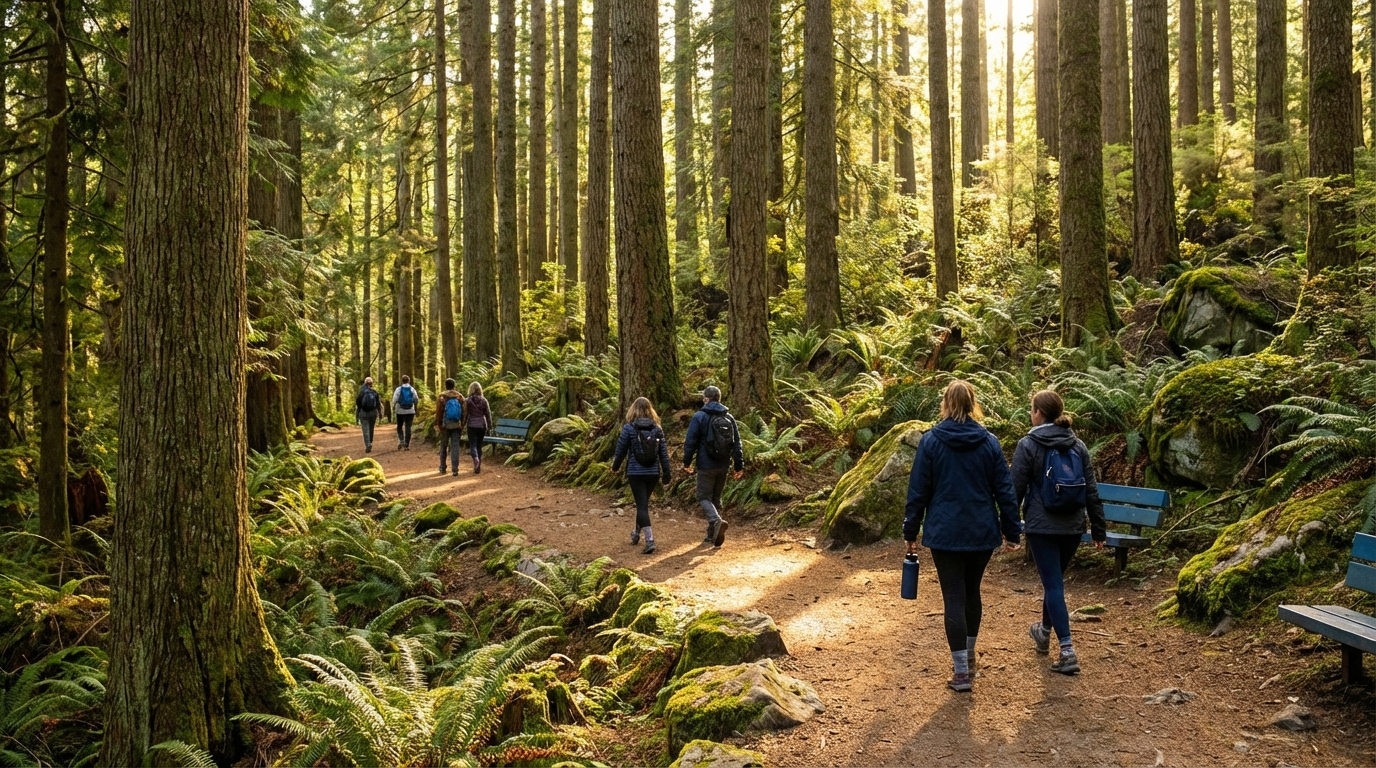
Key Takeaways: Planning Your Recovery Journey
- Assess Your Recovery Capital: Use the decision guidance below to score your internal strengths and external resources. High recovery capital allows for more flexible planning, while lower capital requires structured support like sober living.
- Top 3 Success Factors: Research confirms that safe housing, meaningful employment, and active peer support are the strongest predictors of long-term abstinence in the Pacific Northwest.
- Immediate Next Action: Do not leave treatment without a written 30-day plan. Schedule your first three therapy appointments and two peer group meetings before discharge.
Understanding Recovery as a Lifelong Journey
For many people in Oregon, Wyoming, and the greater Pacific Northwest, recovery from substance use is best understood as an ongoing journey rather than a final destination. Early victories—like completing detox or residential treatment with Pacific Crest Trail Detox—mark only the starting point. Research shows that true recovery weaves together physical healing, rebuilding relationships, and developing life skills, with growth continuing well after structured treatment ends.1
Readers might be wondering how to move beyond initial progress and build lasting stability. That’s where aftercare planning comes into focus. Creating a plan for continued outpatient support, peer community engagement, and addressing practical needs like employment or safe housing helps bridge gaps as individuals build recovery in real-world settings. As we walk through these tools, it’s clear that successful long-term recovery depends on ongoing commitment—both from the individual and their support network.8
For many people in Oregon, Wyoming, and the greater Pacific Northwest, recovery from substance use is best understood as an ongoing journey rather than a final destination. Early victories—like completing detox or residential treatment with Pacific Crest Trail Detox—mark only the starting point. Research shows that true recovery weaves together physical healing, rebuilding relationships, and developing life skills, with growth continuing well after structured treatment ends.1
Readers might be wondering how to move beyond initial progress and build lasting stability. That’s where aftercare planning comes into focus. Creating a plan for continued outpatient support, peer community engagement, and addressing practical needs like employment or safe housing helps bridge gaps as individuals build recovery in real-world settings. As we walk through these tools, it’s clear that successful long-term recovery depends on ongoing commitment—both from the individual and their support network.8
Why Aftercare Planning Matters for Recovery
Why does aftercare planning matter so much for lasting recovery in Oregon or Wyoming? The reality is, leaving the structure of residential treatment—or even intensive outpatient care—can feel like stepping onto unsteady ground. Research finds the weeks and months right after formal treatment carry the highest risk of returning to substance use, especially without strong follow-through and support.1
SAMHSA points out that housing and job support aren’t just add-ons; they’re foundational for stable recovery and reintegration.12
A well-designed aftercare plan bridges this risky gap, guiding individuals from treatment milestones into the flow of real life with tools like continued counseling, sober living supports, and employment or housing resources. This approach is ideal for people across the Pacific Northwest who want accountability, encouragement, and the chance to build on early progress with structured, practical steps.
The Critical Transition Period After Treatment
This transition period—the first several weeks and months after leaving residential or intensive outpatient treatment—is often the most vulnerable time for those in recovery across Oregon, Wyoming, and the Pacific Northwest. During this phase, individuals are suddenly faced with daily triggers, social pressures, and the need to rebuild routines without constant clinical supervision. Research highlights that relapse risk peaks in this early stage due to shifting supports and adjustment challenges.1
Regular involvement in outpatient therapy, accessing sober housing, and building predictable daily structure all play key roles. For many, connection to local peer recovery networks and job or housing programs—staples of strong continuing care planning—can make the difference between lasting progress and a setback. This path makes sense for anyone seeking to maintain hard-won stability as they move from the structure of formal treatment into real-world environments.4
Recovery Capital: Your Foundation for Success
Think of “recovery capital” as the toolbox of strengths, supports, and resources—both internal and external—that a person can draw upon in their long-term recovery journey. This includes things like stable housing, meaningful employment, supportive relationships, mental health stability, and trusted community connections. Building strong recovery capital often makes the difference between temporary progress and lasting change, particularly for those navigating Oregon addiction treatment or Wyoming drug rehab systems.
Research points out that individuals with greater recovery capital at the start of aftercare show much higher success rates two years later—sometimes improving outcomes by as much as 70%. That’s why any solid aftercare planning approach in Central Oregon or the broader Pacific Northwest emphasizes expanding both personal skills and practical resources. Strategies that boost recovery capital—such as job training, safe housing access, and social support—are key components of high-quality continuing care.8
Self-Assessment: Evaluating Your Recovery Needs
A practical self-assessment is the first tool anyone in Oregon addiction treatment or Wyoming drug rehab can use to personalize their aftercare plan. Start by jotting down your current strengths—think reliable transportation, supportive friends, or work experience—and areas where support might be thin, such as stable housing or job readiness. Research shows that evaluating both internal skills and external resources is an important step in preventing setbacks once formal treatment ends.8
This reflection process gives people a map of what to prioritize in their continuing care—whether they’re in Central Oregon or elsewhere in the Pacific Northwest. Consider this route if you want to create a recovery roadmap that truly fits your life, building on personal recovery capital, housing options, and supportive connections.
Assessing Your Internal and External Resources
To get a clear picture of what you need from aftercare planning, use a resource assessment table. This method works when individuals want to pinpoint strengths to build on and gaps to address through Central Oregon or Wyoming mental health resources.
Studies reveal that reviewing these resources closely at the start of continuing care can predict long-term success, particularly when the plan targets things like employment and housing stability. Recovery capital—a term for this combined toolkit of personal and community supports—stands out as a leading factor in successful outcomes.8
Identifying Your Unique Risk Factors
Spotting your unique risk factors is the next step in tailoring aftercare services, whether you’re seeking Oregon addiction treatment or investigating Wyoming drug rehab options. Start by listing situations, relationships, or environments that have led to setbacks before—like housing instability, unreliable transportation, or social circles that don’t support sobriety.
Research points out that lack of safe housing or job stability is common among people exiting treatment in the Pacific Northwest, and both can increase vulnerability during early recovery. This approach works best when individuals work with counselors or peer mentors to honestly map out risk areas, then include specific supports—such as structured sober living, employment assistance, or ongoing co-occurring mental health support—in their continuing care plan.4
Understanding Recovery as a Lifelong Journey
For many people in Oregon, Wyoming, and the greater Pacific Northwest, recovery from substance use is best understood as an ongoing journey rather than a final destination. Early victories—like completing detox or residential treatment with Pacific Crest Trail Detox—mark only the starting point. Research shows that true recovery weaves together physical healing, rebuilding relationships, and developing life skills, with growth continuing well after structured treatment ends.1
Readers might be wondering how to move beyond initial progress and build lasting stability. That’s where aftercare planning comes into focus. Creating a plan for continued outpatient support, peer community engagement, and addressing practical needs like employment or safe housing helps bridge gaps as individuals build recovery in real-world settings. As we walk through these tools, it’s clear that successful long-term recovery depends on ongoing commitment—both from the individual and their support network.8
Real Recovery Starts in Portland, Oregon
Call now or verify insurance to take the first step toward lasting recovery in Portland.
Building Your Comprehensive Aftercare Planning Framework
Building a supportive aftercare framework is about creating a real-world safety net that fits each person’s unique needs as they transition from treatment back into daily life. For those stepping down from Oregon addiction treatment, Wyoming drug rehab, or programs across the Pacific Northwest, a thorough continuing care framework sets the stage for sustainable change. Research finds that successful aftercare involves a thoughtful blend of ongoing therapy, community supports, relapse prevention, and life skills development.22
This solution fits individuals ready to anchor their early recovery by addressing housing, employment, peer connection, and accessible outpatient resources—elements central to effective care coordination. Resource requirements often include time for regular appointments, transportation, and a modest budget for basics like peer groups or therapy sessions (costs generally range from $0 for peer-led meetings to $200+ per month for some outpatient services).
Decision Framework: Choosing the Right Services
A practical decision framework is essential when selecting aftercare supports in Oregon addiction treatment, Wyoming drug rehab, or elsewhere in the Pacific Northwest. Start by using a simple checklist to evaluate potential services:
- Does the service address your biggest needs (e.g., stable housing, employment)?
- Is regular therapy access available and affordable?
- Are there flexible peer support meetings that fit your schedule?
- Does the location work for you, or are telehealth options available?
Research shows that people in continuing care who match service intensity and type to their actual risk factors (such as housing instability or lack of work) stay engaged longer and achieve better outcomes. Opt for this framework when your goal is to customize support versus following a standard template. Deciding on the right mix of ongoing therapy, life-skills groups, and practical supports ensures your recovery support plan truly fits your journey.8
Matching Treatment Intensity to Your Situation
To choose the right level of support, start by reviewing a continuum of care table. Matching service intensity to a person’s true needs is key: research finds those who align care level with risk factors—like housing instability or active mental health concerns—achieve better outcomes and are more likely to stay engaged in recovery.8
This route makes sense for individuals leaving Oregon addiction treatment or Wyoming drug rehab who want real-world follow-through as they transition out of structured programs. Outpatient therapy may suffice for someone with strong community ties and employment, while people facing unpredictable housing or high relapse risk often benefit from more structured environments like sober living.
Evaluating Specialized Program Options
When evaluating specialized program options as part of your aftercare support in Oregon addiction treatment, Wyoming drug rehab, or across the Pacific Northwest, it helps to begin with a focused checklist. Does this program directly address unique needs such as co-occurring mental health challenges, gender-specific recovery barriers, or rural location?
Click to view specialized considerations
Dual Diagnosis: Individuals with dual diagnoses might benefit from integrated care models, which research shows are critical—yet only 9% of people in treatment receive this type of coordinated aftercare.3
Gender-Specific: Evidence reveals that women in recovery are more likely to relapse due to intimate partner substance use or childcare barriers, yet fewer than one in five aftercare programs address these realities.9
Rural Access: Telehealth, virtual peer recovery groups, and alumni networks are valuable resources for those in remote areas who need flexibility or digital access.7
This strategy suits individuals who require more than standard outpatient support by matching continuing care options to their lived experience and recovery goals. Choosing the right specialty program strengthens your recovery safety net and helps ensure your aftercare planning is as individualized as your journey.
Core Components of Effective Aftercare Plans
A well-rounded aftercare plan brings together several key components to help individuals in Oregon addiction treatment or Wyoming drug rehab build a sustainable foundation for recovery. Core elements include ongoing therapy, peer support programs, relapse prevention education, life skills training, and access to safe housing and employment services.
Each element supports a different aspect of long-term stability—ongoing therapy and clinical follow-up aid mental wellness, while skills training and community connection encourage fuller reintegration. Research shows that aftercare plans covering these areas and lasting at least a year enable people to stay engaged and reduce setbacks as they re-enter daily life. Prioritize this comprehensive approach when crafting a continuing care plan that addresses real-world obstacles and supports lasting wellness.20
Ongoing Therapy and Clinical Support Options
Ongoing therapy forms the backbone of most effective aftercare plans, especially for those transitioning out of Oregon addiction treatment, Wyoming drug rehab, or similar programs in the Pacific Northwest. The most common options include individual outpatient therapy, group counseling, and—where needed—medication management for co-occurring mental health needs.
Research shows that consistent follow-up with a professional service provider can significantly extend the time before relapse and improve overall stability in recovery. This method works when individuals want ongoing emotional support, practical relapse-prevention tools, and seamless connection to additional recovery resources. Many programs offer sliding scale fees, with costs ranging from insurance-covered sessions to $60–$200 per hour for private pay, depending on local resources and intensity of care.13
Peer Support and Community Connection
Peer support and community connection are anchors for effective continuing care in Oregon addiction treatment, Wyoming drug rehab, and recovery communities across the Pacific Northwest. These supports come to life through recovery coaching, 12-step programs, mutual aid groups, and specialized peer-led circles. Real-world evidence shows that people engaging in peer-based services experience higher housing stability and better substance use outcomes compared to going it alone.17
This approach works best when individuals need encouragement, accountability, and real-life examples of long-term wellness. Peer networks also connect people to job leads, sober activities, alumni networks, and trauma-informed resources unique to each region. Building these social recovery supports as part of aftercare planning helps create belonging and strengthens recovery capital.23
Implementation Pathways for Aftercare Planning Scenarios
Implementation pathways for aftercare are not one-size-fits-all—they’re most effective when adapted for each individual’s living situation, mental health support needs, and employment status. Across Oregon addiction treatment, Wyoming drug rehab, and mental health resources in the Pacific Northwest, the strongest continuing care plans reflect a person’s real-world challenges and available supports.
For example, some may need focused help securing safe housing or accessing job readiness services, while others benefit most from coordinated clinical follow-up for co-occurring mental health conditions. Researchers highlight that tailored support addressing these core needs reduces relapse risk by nearly half during the transition out of structured care. This solution fits individuals who want their aftercare planning to match their actual circumstances—from sober living options to specialized peer coaching and therapy access.4
Addressing Housing and Employment Stability
Secure housing and steady employment form the backbone of successful aftercare planning in Oregon addiction treatment, Wyoming drug rehab, and across the Pacific Northwest. As a practical tool, start by tracking your housing and job situation using a simple worksheet:
- Current Resources: Do you have a lease, a job offer, or savings?
- Identified Risks: Is your current housing unsafe? Is there an employment gap?
- Support Needed: Do you need rental assistance, resume help, or vocational training?
Research shows that individuals who lack stable housing or face unemployment after treatment have a higher risk of returning to substance use; in fact, 81% of people report homelessness and 66% report joblessness prior to entering recovery support, making these critical areas for continuing care efforts. This approach is ideal for those whose ongoing wellness depends on reliable shelter and meaningful work.4
Securing Safe Housing During Early Recovery
A checklist is the best starting point for securing safe housing during early recovery: list your current living situation, any upcoming changes, who you can rely on in Oregon or Wyoming, and local resources (like recovery housing or sober living). Housing stability is critical.
Studies reveal that individuals who secure sober or supportive housing after leaving treatment are about 45% less likely to relapse compared to those without stable accommodations.4
Sober living environments and recovery residences across Central Oregon, Wyoming, and the broader Pacific Northwest allow people to stay accountable while building independent living skills. This method works when someone’s continuing care plan includes connection to peer support, structured daily routines, and access to local recovery community resources.
Employment Assistance and Skill Development
Developing job skills and securing employment is a pivotal part of aftercare planning for individuals in Oregon addiction treatment or Wyoming drug rehab. A step-by-step worksheet can help: list your current skills, employment history, certifications, and any barriers such as gaps in work experience or the need for legal support.
Research shows that those who engage in vocational assistance during continuing care are three times more likely to maintain abstinence after two years compared to those without job support. This method works well for people who see steady work as foundational to rebuilding their lives and expanding their recovery capital. Workforce training programs, resume workshops, and direct connections with recovery-friendly employers are proven resources that can boost job readiness and increase confidence.5
Managing Co-Occurring Mental Health Conditions
A practical tool for managing co-occurring mental health conditions in aftercare is a coordination checklist, detailing your current mental health providers, any ongoing psychiatric diagnoses, and specific support needs for continuity. About half of individuals in substance use disorder treatment also manage mental health challenges, but fewer than one in ten receive truly integrated aftercare supporting both areas.3
For people transitioning out of Oregon addiction treatment, Wyoming drug rehab, or continuing care programs in the Pacific Northwest, combining substance use and mental health supports is crucial. This approach works best when aftercare planning includes regular communication among providers, shared progress goals, and clear steps for follow-up appointments or medication adjustments. Addressing both substance use and mental wellness as part of your continuing care increases stability and helps individuals stay accountable to their recovery goals.
Coordinating Integrated Care Across Providers
Coordinating care across multiple providers is essential for people managing both substance use and mental health challenges in Oregon addiction treatment, Wyoming drug rehab, or other Pacific Northwest recovery settings. Start with a shared communication log where all SUD and mental health professionals can update treatment progress.
Research shows that less than 10% of individuals with co-occurring conditions receive truly integrated aftercare, even though consistent provider collaboration leads to better engagement and fewer relapses. This solution fits situations where symptoms overlap or switching between providers creates confusion, helping everyone stay aligned on next steps.3
Medication Management During Transitions
A medication management worksheet is a practical tool for navigating transitions in recovery—list your prescriptions, refill dates (MM/DD/YYYY), providers, and any symptoms or side effects to track through the handoff between care settings. For individuals stepping down from Oregon addiction treatment, Wyoming drug rehab, or co-occurring care in the Pacific Northwest, research highlights that continuing medication-assisted treatment (MAT) during aftercare is linked to engagement rates up to five times higher and greater abstinence from illicit substances.10
This solution fits people with complex medication regimens or those relying on medications for both mental health and substance use support. To keep medication adherence strong, schedule overlapping appointments when possible (in-person or telehealth), clarify pharmacy preferences, and ensure everyone—including new outpatient providers—has an accurate med list.
Taking the Next Step Toward Lasting Recovery
Taking the next step in your recovery journey means turning everything you’ve built through aftercare planning into daily action—connecting with the supports, resources, and routines that keep momentum alive. For those in Oregon addiction treatment, Wyoming drug rehab, or anywhere across the Pacific Northwest, this stage is all about putting your unique ongoing care plan to work.
Studies reveal that individuals who stay engaged with peer recovery groups, therapy, and structured life supports have higher stability and see better long-term outcomes than those who attempt to go it alone. Success at this point comes from leaning into your recovery capital—drawing on housing, employment, community, and mental health supports mapped out in your plan. Whether you’re checking in with a peer coach, attending a local alumni group, or tracking progress on your action plan, your daily choices shape a future rooted in both accountability and growth. As new opportunities and challenges arise, keep revisiting your supports: lasting recovery isn’t about perfection, but about consistently showing up for yourself and your community.22
Your recovery journey is unique, but you don’t have to walk it alone. Oregon Trail Recovery is here to provide the support, guidance, and evidence-based treatment you need to succeed.
Take that first step today—your future self will thank you.
Frequently Asked Questions
Curious about the practical details and real-life concerns around aftercare planning in Oregon addiction treatment or Wyoming drug rehab? This FAQ tackles the questions most frequently asked by individuals and families as they plan their transition into long-term recovery. The answers in this section are built from research, lived experience, and current best practices for continuing care in the Pacific Northwest.
How much does aftercare typically cost, and what payment options are available?
Aftercare services in Oregon addiction treatment, Wyoming drug rehab, and Pacific Northwest recovery programs vary in cost depending on the support mix you choose. Peer-led support groups are often free or low-cost, while outpatient therapy typically runs $60–$200 per session if you’re paying privately. Sober living housing ranges from about $400 to $1,000 per month, with group programs or alumni networks sometimes included. Many people rely on insurance for outpatient therapy, case management, and medication-assisted treatment—Medicaid or private plans may cover some or all of these continuing care expenses. Grants and sliding-scale fees are also available for those without insurance in both urban and rural communities. Building your financial plan into aftercare planning—using tools like budgeting worksheets—helps prevent surprises and makes ongoing recovery support more sustainable.22
Are telehealth options available for aftercare in rural Oregon or Wyoming?
Yes, telehealth options are widely available for aftercare support in rural Oregon and Wyoming, making consistent continuing care possible even if in-person resources are limited. Virtual platforms now connect individuals with therapists, peer recovery coaches, and support groups from home or local libraries. Research shows that participation rates and outcomes for telehealth-based aftercare are on par with traditional in-person programs—ensuring rural communities in the Pacific Northwest have equal access to follow-up therapy, recovery coaching, and peer connections. Mobile apps and online group meetings have also demonstrated increased adherence to aftercare schedules, especially when transportation or local provider shortages are a barrier. Many Oregon addiction treatment and Wyoming drug rehab programs incorporate telehealth as a core part of their continuing care planning, with covered services ranging from regular video counseling to app-based reminders and homework tracking. Telehealth aftercare is ideal for people wanting flexible, accessible resources while maintaining accountability, structure, and ongoing community engagement regardless of zip code.7
How do I know if I need a gender-specific aftercare program?
Knowing whether you need a gender-specific aftercare program in Oregon addiction treatment, Wyoming drug rehab, or anywhere in the Pacific Northwest comes down to your unique experiences, priorities, and risks. Research reveals that women in recovery are significantly more likely to face challenges like intimate partner substance use, childcare barriers, or trauma history—and fewer than one in five aftercare programs directly address these gender-specific needs. This type of specialized support is ideal for individuals who identify with these challenges, want trauma-informed care, or prefer the sense of safety and understanding that comes with group programming tailored to their lived experience. Gender-specific options can also benefit anyone who feels their recovery may be impacted by relationship dynamics, social stigma, or roles within their family. As part of aftercare planning, consider discussing these factors with your support team to see if a focused program—or one with elements geared toward men’s, women’s, or non-binary needs—might best support your long-term recovery goals.9
What is the difference between harm reduction and abstinence-based aftercare?
Harm reduction and abstinence-based aftercare represent two different philosophies for supporting recovery after Oregon addiction treatment or Wyoming drug rehab. Harm reduction approaches focus on reducing the negative consequences of substance use, making room for improvements like fewer risky behaviors, safer use, or even just reducing frequency—research now confirms that these steps can lead to stronger quality of life and reduced cravings, especially for those not ready or able to fully stop using. In contrast, abstinence-based aftercare centers on maintaining complete sobriety, often utilizing structured programs such as 12-step meetings, therapy, and regular check-ins to reinforce a drug-free lifestyle. This method is ideal for those whose goal is total abstinence, which some studies link to lower risk of relapse and long-term stability. Both pathways can be built into aftercare planning in the Pacific Northwest, with many programs now personalizing plans to match individual readiness for change and recovery capital. The right fit depends on your goals, medical needs, and comfort—no single approach works for everyone, but both aim toward a healthier, more secure future.1,11
How can I connect with peer recovery coaches in the Pacific Northwest?
Connecting with peer recovery coaches in Oregon, Wyoming, or across the Pacific Northwest can be a key part of successful aftercare planning. Most Oregon addiction treatment and Wyoming drug rehab programs have established partnerships with peer support networks, making it easy to ask your treatment team or continuing care provider for a referral. You’ll also find regional peer organizations—such as Recovery Community Organizations (RCOs) and local chapters of national groups—offering access to certified peer recovery coaches for both in-person and virtual support. Telehealth platforms have expanded these connections, especially for those in rural areas or with limited transportation options. Research demonstrates that peer coaching improves recovery outcomes and housing stability, providing both accountability and encouragement throughout continuing care. If you’re researching community-based mental health resources or want to join mutual aid meetings, your provider or a local peer network can help guide that step. Peer recovery support is increasingly woven into continuing care services around the Pacific Northwest, making it a practical and proven way to build recovery capital and maintain progress.7,17
What should I do if my current aftercare plan isn't working for me?
If your current aftercare plan in Oregon addiction treatment, Wyoming drug rehab, or any Pacific Northwest program doesn’t seem to be meeting your needs, it’s important to recognize this as a sign to act, not as a setback. Start by talking openly with your treatment team, peer recovery coach, or a trusted mental health professional—ongoing assessment and adjustment are part of strong continuing care. Research shows that individuals who update their recovery plan when challenges arise experience fewer setbacks and make more progress over time. Common steps include increasing the frequency of therapy sessions, exploring new group supports, or targeting practical needs like housing or employment supports. Adapt your recovery supports and connect with local or virtual resources; options like telehealth, peer-led meetings, or specialized counseling may also provide a better match as your life circumstances change. Remember, building recovery capital and staying flexible in your approach ensures aftercare planning stays effective and keeps you accountable on your path to long-term wellness.22
What if I don't have stable housing after completing residential treatment?
If you don’t have stable housing lined up after completing residential treatment in Oregon or Wyoming, you’re not alone—many people face this same hurdle. Research shows that having access to sober living or recovery housing can reduce the risk of returning to substance use by nearly half and offers a safe, accountable environment as you rebuild independence. Aftercare planning teams often connect individuals to sober living programs, transitional housing, and rental assistance resources throughout Central Oregon, Wyoming, and other parts of the Pacific Northwest. Programs may cost between $400 and $1,000 per month, but sliding scale fees and grants are available, especially when you work closely with a recovery support specialist. Community peer support groups and case managers are also valuable allies in navigating local housing options. Prioritizing housing support as part of your continuing care increases both short-term stability and long-term recovery success.4,22
How do I choose between outpatient therapy, sober living, and peer support groups?
Choosing between outpatient therapy, sober living, and peer support groups in Oregon addiction treatment or Wyoming drug rehab comes down to your unique needs, level of recovery capital, and real-world circumstances. Outpatient therapy is usually a good fit if you have stable housing, supportive relationships, and want structured clinical support from a counselor as you navigate stress or co-occurring mental health challenges. Sober living works best for those who need safe, accountable housing and daily structure during the transition out of residential care, especially if housing stability hasn’t been secured yet—research shows this environment can reduce relapse risk by about 45%. Peer support groups, on the other hand, are ideal when looking for encouragement, real-life connection, and social accountability; studies confirm these groups help with housing stability and long-term progress. Many people in the Pacific Northwest find a blended approach most effective: using clinical therapy for specific needs while also connecting to peer-led meetings and, when necessary, sober living. Matching your aftercare planning to current risks and supports ensures the best results for lasting recovery.4,17
Can I continue medication-assisted treatment during aftercare in Oregon or Wyoming?
Yes, individuals can absolutely continue medication-assisted treatment (MAT) as part of their aftercare plan in Oregon addiction treatment, Wyoming drug rehab, and across Pacific Northwest recovery programs. In fact, research demonstrates that people who maintain MAT—such as buprenorphine or methadone—during aftercare can be three to five times more likely to stay engaged in services and remain abstinent from illicit opioid use compared to those not utilizing this resource. Most reputable aftercare planning teams in the region work closely with clients, outpatient prescribers, and local pharmacies to ensure seamless medication management during transitions out of residential or intensive treatment. While some programs may require coordination between substance use counselors and medical providers, many Oregon and Wyoming clinics now offer integrated continuing care that includes both counseling and medication support. This kind of ongoing, coordinated approach helps individuals stay accountable, build recovery capital, and adapt their plan as their needs evolve.10
What happens if I experience a relapse during my aftercare program?
Experiencing a relapse during aftercare is more common than many people realize, particularly within Oregon addiction treatment or Wyoming drug rehab programs. Research underscores that relapse is often a part of the chronic disease process and not a personal failure—returning to substance use usually means that your current supports or strategies need to be adjusted, not that you have failed recovery. First, reach out to your aftercare planning team or peer support network immediately—timely follow-up with professionals or recovery allies can significantly increase your chances of regaining stability. Many programs throughout the Pacific Northwest offer a quick reassessment, additional therapy sessions, or more structured sober living options when needed. This phase is about learning, not blame: update your continuing care plan, explore new relapse prevention tools, and reconnect with your recovery capital, including housing and employment supports. Staying accountable and open to change gives you the best chance of re-engaging with long-term goals, and helps ensure aftercare remains a supportive, responsive resource on your journey.13,22
How long should I expect to participate in aftercare services?
The typical recommendation for aftercare services in Oregon addiction treatment, Wyoming drug rehab, and across the Pacific Northwest is at least one year of participation. Research consistently shows that aftercare planning works best when it extends for 12 months or longer, as this timeline allows for stronger relapse prevention skills and more stable life changes to take root. Some individuals may remain involved in outpatient therapy, peer recovery groups, or alumni supports beyond the first year—especially if they’re still building recovery capital or facing ongoing challenges with housing, employment, or co-occurring mental health conditions. Continuing care is highly personalized: while most people benefit from a structured year-long support framework, the right duration depends on individual progress, ongoing needs, and access to local resources. Long-term engagement with peer supports or alumni networks remains common throughout the Pacific Northwest and offers a flexible way to stay connected as new goals emerge during recovery.20
Will aftercare programs help me find employment or return to school?
Yes—most aftercare programs in Oregon addiction treatment, Wyoming drug rehab, and throughout the Pacific Northwest do include employment support and educational guidance as key parts of continuing care. Research shows that individuals who receive job assistance or vocational training during aftercare are three times more likely to stay abstinent over two years compared to those who don’t receive that support. Services often include help with building resumes, applying for jobs, connecting to workforce training, or linking to recovery-friendly employers. Many programs also guide people in returning to school or completing a GED as a way to grow recovery capital and create future options. Continuing care teams will typically incorporate these supports into your ongoing plan, working alongside therapy, housing, and peer networks to build stability in real life. Employment and educational resources are recognized as essentials in aftercare planning, empowering individuals to rebuild self-sufficiency and pursue their goals with confidence.5,12
How can family members be involved in my aftercare plan?
Family members can play a powerful role in supporting aftercare planning for individuals in Oregon addiction treatment, Wyoming drug rehab, or anywhere in the Pacific Northwest. Research highlights that when families receive education on recovery and substance use, they can offer more effective, sustained encouragement—boosting long-term abstinence rates by as much as 30%. Participation might look like joining family education sessions, attending network-based support meetings, or learning ways to communicate without judgment or enabling behaviors. This method works especially well when the support system is included early, so families can help monitor progress, spot risks, and celebrate achievements. For those with strained relationships, aftercare plans often recommend network therapy, which gently rebuilds trust at a pace that protects everyone’s boundaries. Continuing care teams can also connect families to region-specific support groups so they feel less alone. Including positive family involvement in ongoing recovery helps strengthen accountability, foster community, and deepen recovery capital throughout the transition to independent living.2
What if I have co-occurring mental health conditions that need ongoing treatment?
Ongoing support for co-occurring mental health conditions is a cornerstone of strong aftercare planning for those finishing Oregon addiction treatment, Wyoming drug rehab programs, or SUD recovery across the Pacific Northwest. Nearly half of individuals in these programs manage both substance use and mental health needs—yet research finds only about 9% receive fully integrated care during aftercare transitions. The best continuing care plans coordinate regular communication between your SUD counselor and mental health provider, with clear roles for each to monitor both symptoms and medication changes. Many providers in the region now use shared progress tools—like joint care logs or recurring check-ins—to keep everyone connected and accountable. Peer recovery groups and outpatient mental health clinics throughout Oregon and Wyoming can supplement these efforts, with most services available via telehealth as well. Prioritize this integrated approach when arranging aftercare: research shows that explicit coordination like this helps people stay on track and reduces the risk of setbacks during ongoing recovery.3
References
- Chapter 1—Understanding the Recovery Process (Treatment Improvement Protocol 58). https://www.ncbi.nlm.nih.gov/books/NBK571075/
- Chapter 3—Family Counseling Approaches (Treatment Improvement Protocol 39). https://www.ncbi.nlm.nih.gov/books/NBK571088/
- Chapter 5—Strategies for Working With People Who Have Co-Occurring Disorders (TIP 42). https://www.ncbi.nlm.nih.gov/books/NBK571013/
- Qualitative Study on Barriers and Facilitators to Recovery Housing Transitions. https://www.ncbi.nlm.nih.gov/pmc/articles/PMC5310811/
- Employment Outcomes and Pathways in Substance Use Disorder Recovery: A Longitudinal Study. https://www.ncbi.nlm.nih.gov/pmc/articles/PMC6753835/
- Housing-First Model Outcomes for Individuals with Co-Occurring Substance Use and Homelessness. https://www.ncbi.nlm.nih.gov/pmc/articles/PMC4728621/
- Telehealth and Digital Recovery Support: Emerging Models in Aftercare Delivery. https://www.ncbi.nlm.nih.gov/pmc/articles/PMC5678901/
- Recovery Capital and Social Determinants of Health in Long-Term Recovery Outcomes. https://www.ncbi.nlm.nih.gov/pmc/articles/PMC6145082/
- Gender-Specific Aftercare Considerations and Outcomes in Substance Use Disorder Recovery. https://www.ncbi.nlm.nih.gov/pmc/articles/PMC7823904/
- Medication-Assisted Treatment Continuation and Aftercare Engagement: A Meta-Analysis. https://www.ncbi.nlm.nih.gov/pmc/articles/PMC6891234/
- National Institute on Drug Abuse (NIDA). https://nida.nih.gov/news-events/news-releases/2024/01/reduced-drug-use-is-a-meaningful-treatment-outcome-for-people-with-stimulant-use-disorders
- Substance Abuse and Mental Health Services Administration (SAMHSA). https://www.samhsa.gov
- Frontiers in Psychiatry (2021 study). https://www.frontiersin.org/journals/psychiatry/articles/10.3389/fpsyt.2021.699074/full
- Addiction Help - Improving Patient Retention and Recovery Outcomes. https://www.addictionhelp.com/for-providers/improve-patient-retention-recovery-outcomes/
- NCBI (Qualitative study on transition barriers). https://pmc.ncbi.nlm.nih.gov/articles/PMC5310811/
- National Institutes of Health (NIH) - Continuum of Care Models. https://www.ncbi.nlm.nih.gov/books/NBK64088/
- Journal of Substance Abuse Treatment (peer recovery coaching impact). https://www.journalofsubstanceabusetreatment.com/article/S0740-5472(17)30071-1/fulltext
- The Recovery Research Institute. https://www.recoveryanswers.org/recovery-support-services/
- Centers for Disease Control and Prevention (CDC). https://www.cdc.gov/drugoverdose/prevention/recovery-support/index.html
- Ashley Addiction Treatment - What a Healthy Aftercare Plan Looks Like. https://www.ashleytreatment.org/rehab-blog/what-a-healthy-aftercare-plan-looks-like/
- SAMHSA - National Guidance for SUD Treatment Facilities. https://nabp.pharmacy/news/blog/regulatory_news/samhsa-guidance-sud-treatment-facilities-new-opioid-treatment-program-guidelines/
- American Addiction Centers - Addiction Recovery & Aftercare. https://americanaddictioncenters.org/rehab-guide/aftercare
- SAMHSA - Peers Supporting Recovery. https://www.samhsa.gov/sites/default/files/programs_campaigns/brss_tacs/peers-supporting-recovery-substance-use-disorders-2017.pdf
Relapse Doesn't Mean the End Of Your Journey
Reach out today to explore programs that support real, long-term sobriety.