




Choosing Addiction Treatment Centers in Portland, OR

Addiction Treatment Centers Portland: Landscape and Local Context
Regional Crisis and Treatment Infrastructure
Portland’s addiction crisis can be felt from the bustling blocks around Pioneer Courthouse Square to the quiet residential streets bordering Mount Tabor. For professionals evaluating addiction treatment centers portland offers, understanding the local infrastructure is critical. Readers might be wondering how the city’s treatment network is responding, especially as Oregon’s overdose death rate has climbed to 23.2 per 100,000—well above the national average—and fentanyl is now involved in 67% of opioid overdose deaths in the state. This local urgency shapes the network of Oregon addiction treatment programs that families and professionals rely on.9
The city’s treatment system includes a mix of detox, outpatient, and transitional programs, all regulated by Oregon Health Authority standards. Recent years have seen a shift toward integrated care that addresses co-occurring mental health and substance use issues, now recognized as essential for lasting outcomes. In practice, this means modern programs often blend clinical therapies with peer support and trauma-informed care, reflecting the realities faced in neighborhoods like Lents, Sellwood, Alberta, and the Pearl District.3
"The integration of co-occurring mental health support with substance use treatment is no longer optional; it is the baseline for effective care in the Pacific Northwest."
— Industry Consensus on Regional Care
Despite a robust infrastructure, only about 10% of Portlanders with substance use disorder receive specialized treatment each year. Local providers increasingly use telehealth to reach families from St. Johns to Southeast, aiming to close service gaps and reduce wait times. As city leaders and clinicians adapt, Portland’s challenge is to make high-quality care accessible across its diverse communities.1
Neighborhoods and Access Points Across the Metro
Walk through Old Town after sunset or drive along NE Sandy Boulevard, and the diversity of Portland’s treatment landscape becomes clear. Most metro neighborhoods—from Goose Hollow and Laurelhurst to St. Johns, Buckman, and the Hawthorne District—offer some form of access point, whether it’s a full-service clinic, peer recovery hub, or telehealth-enabled outreach. Downtown locations, just steps from the Portland Art Museum, are convenient for those using MAX or TriMet, while East Portland programs near Mall 205 offer plenty of parking and easier access for families from Gresham or Lents.
Portland’s unique geography means that accessibility isn’t just about proximity. Professionals must account for several city-specific logistics when guiding families:
- Transit Proximity: Walking distance to MAX light rail or TriMet bus stops for individuals without personal vehicles.
- Traffic Patterns: Navigating I-5 and I-205 bottlenecks during peak intake hours.
- Neighborhood Safety: Ensuring secure access in areas like the Lloyd District or North Mississippi.
Many programs families use now offer virtual intake or bridge appointments for those facing mobility or safety barriers, a move that’s increased engagement in outlying neighborhoods by over 20% since 2022. Local testimonials echo these patterns: a family from Sellwood reported quick admission thanks to a nearby intake partner; a recovery coach in St. Johns cites how virtual support connects clients who can’t always cross the city. Taken together, these access points help close gaps so more Portlanders can reach services when and where they need them.3
Evidence-Based Standards for Addiction Treatment Centers Portland
Accreditation and Clinical Quality Markers
Accreditation and clinical quality markers set the standard for the addiction treatment centers portland professionals trust, whether serving families in Irvington, Alberta, or the South Waterfront. In this city, accreditation through organizations like CARF (Commission on Accreditation of Rehabilitation Facilities) signals that a program maintains rigorous evidence-based care, employs qualified staff, and tracks outcomes—factors that research consistently ties to better retention and recovery rates.4
Oregon’s own Health Authority requires all licensed facilities—whether in Sellwood, Montavilla, or near Providence Park—to follow strict clinical protocols, including regular staff training and client safety measures. This is more than a box-checking exercise: accredited centers in the metro area deliver significantly higher retention rates compared to non-accredited peers, making a tangible difference for families who need every advantage. Studies reveal that retention and successful engagement rise when centers can demonstrate credentialed staff, ongoing data review, and adherence to best-practice models.3
Portland’s geography and traffic patterns can complicate access, but quality programs now use telehealth follow-ups and virtual alumni support to bridge gaps, especially in neighborhoods like St. Johns or along the busy I-84 corridor. A recent testimonial from a family in Laurelhurst described the peace of mind that came from choosing an accredited center near MAX lines, knowing their loved one’s care was both accessible and accountable.
Matching Care Levels to Individual Needs
Matching the right level of care to each individual remains central to how professionals evaluate program effectiveness. In neighborhoods like Rose City Park or Brooklyn, providers are seeing that a one-size-fits-all approach often misses the mark. Instead, most Portland-area programs now use structured assessment tools—such as the ASAM criteria—to gauge not only substance use history but also physical health, mental health, home environment, and motivation for change. When utilizing assessment software, clinicians might input codes like ASAM-3.7 or press Enter to log medically monitored intensive inpatient criteria.5
Industry leaders find that mismatching someone to the wrong care level—say, placing a person who needs round-the-clock support in a basic outpatient group—increases the risk of early dropout by 40-60%. The best programs offer a continuum: medical detox, residential treatment, intensive outpatient, and step-down sober living or alumni support, with flexibility for transitions as needs change. For residential or inpatient detox needs, Oregon Trail Recovery partners exclusively with Pacific Crest Trail Detox to ensure a safe, medically supervised start to the recovery journey.5
Local testimonials highlight these differences. A case manager in Kenton described how a tailored transition from inpatient to outpatient kept a client engaged after discharge, while a family in Mt. Scott-Arleta credited ongoing alumni check-ins for keeping their loved one on track. Studies reveal that this kind of individualized matching—rather than rigid placement—results in higher retention and better long-term outcomes.2
Co-Occurring Disorders and Integrated Treatment Models
Why Dual-Diagnosis Capability Matters
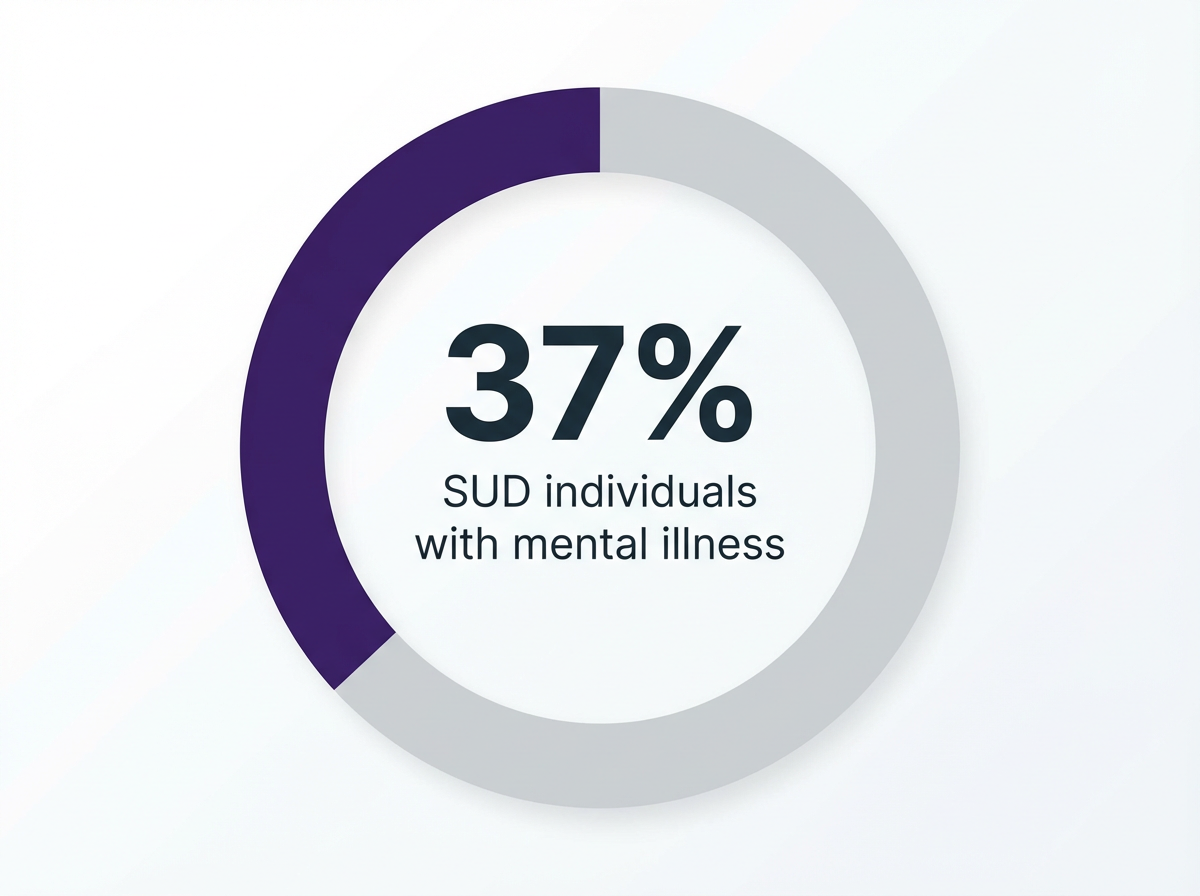
Why does dual-diagnosis capability matter so much when evaluating programs families and professionals depend on? Across neighborhoods like Laurelhurst, Sellwood, and the Alberta Arts District, clinicians see firsthand how substance use and mental health conditions frequently overlap. In fact, research shows that 37% of individuals with substance use disorder also experience a co-occurring mental illness—and outcomes improve by up to 50% when both are treated together, rather than in isolation.7
Industry best practice in Portland now means offering integrated, team-based care for individuals navigating both substance use and mental health challenges. It is important to note that Oregon Trail Recovery does not offer primary mental healthcare. Instead, they provide specialized co-occurring mental health treatment alongside substance use disorder support. Treatment centers in areas from the Pearl District to Woodstock are expected to use coordinated clinical teams—sometimes including psychiatrists, therapists, and peer support specialists—to deliver more effective, person-centered care.
Portland’s unique realities—such as the rise in fentanyl use and the stressors in neighborhoods near downtown or close to I-205—make it even more important for programs to handle complex cases without delay. Studies reveal that dual-diagnosis programs are not a luxury but a necessity for reducing relapse, especially when family researchers are seeking the best chance for their loved one.7
Trauma-Informed and Culturally Competent Approaches
When evaluating programs families and professionals can trust, trauma-informed and culturally competent care isn’t just a buzzword—it’s the backbone of effective support across neighborhoods from Cully to Hillsdale, and from the Alberta Arts District to Multnomah Village. Programs rooted in trauma-informed practice recognize the widespread impact of trauma in Portland’s recovery community, especially among those living near the I-205 corridor or in areas affected by housing instability. Practically, this means staff are trained to avoid retraumatization and to create environments where safety, choice, and empowerment come first.2
Culturally competent approaches are equally essential in a city as diverse as Portland. Centers serving St. Johns, Lents, and the Jade District often partner with community leaders to ensure care is respectful of local traditions and responsive to the needs of Black, Indigenous, and immigrant families. Research shows that culturally tailored interventions improve engagement and retention by acknowledging each person’s unique background and experiences.3
Testimonials from clients in the Foster-Powell and Brooklyn neighborhoods point to the difference this makes: one family shared how a treatment plan that honored their Native heritage led to greater trust and participation; another client described feeling understood and safe in a women’s group that reflected their lived experiences. As more programs adopt these standards, citywide outcomes continue to improve.
Real Recovery Starts in Portland, Oregon
Call now or verify insurance to take the first step toward lasting recovery in Portland.
Insurance, Cost Transparency, and Access in Portland
Navigating Oregon Coverage and Verification
Navigating insurance coverage for programs residents trust often starts with questions about Oregon Health Plan (OHP), private insurance, and what’s actually covered near familiar spots like Alberta, Goose Hollow, or Montavilla. As industry peers know, insurance verification is not just a paperwork step—it shapes when and where families can access reputable care. Portland’s network includes centers in the Pearl District, Sellwood, and East Portland, many of which coordinate directly with insurers to clarify benefits before admission.
Standard Insurance Verification Steps for Portland Facilities
- Collect OHP or private insurance details during the initial family consultation.
- Coordinate directly with the insurer to confirm specific behavioral health routing.
- Provide the family with a transparent breakdown of covered services and potential out-of-pocket costs.
Industry leaders find that misunderstandings about coverage remain a major barrier for local families—especially for out-of-pocket costs, pre-authorization requirements, or limitations on residential stays. Oregon’s regulatory framework now requires licensed programs to clearly disclose which services are included and to offer up-front verification support, which has helped reduce delays and dropouts. A recent example comes from a family in Laurelhurst, who credited a provider’s insurance team for quickly navigating OHP benefits and securing admission within days.3
Admission Timelines and Intervention Support
Admission timelines for programs families rely on often hinge on location, clinical urgency, and the presence of intervention support. In neighborhoods like North Tabor and Foster-Powell, programs with streamlined intake processes can admit individuals within 24-72 hours, while others in the West Hills or Kenton may have longer waitlists during peak demand. Industry data shows that delays in access—even of just a few days—can increase the risk of disengagement or overdose, especially during high-stress periods for both families and individuals.9
For worried family researchers, intervention support is a key differentiator. Many local centers serving areas like Sellwood, Alberta, and the Lloyd District now offer professional intervention models and crisis navigation, designed to move resistant loved ones toward treatment quickly and safely. Intervention models like ARISE and Johnson are frequently utilized to create structured, compassionate conversations. Recent testimonials include a family from Laurelhurst who credited a guided intervention for their loved one’s rapid admission, and a peer specialist from St. Johns who has seen success with same-day assessments for high-risk referrals. These city-specific supports help Portland programs address urgent needs without unnecessary delay.3

Partnering with Portland-Area Programs for Long-Term Recovery
For family members who work in behavioral health or social services, supporting a loved one through addiction creates a uniquely challenging dual role. Professional understanding of recovery systems doesn't automatically translate to successfully engaging a resistant family member—in fact, the emotional complexity often makes it harder. We've found that even the most experienced clinicians and social workers benefit from structured intervention support when their own loved one refuses treatment, because the family dynamic requires a different approach than professional practice.
Oregon Trail Recovery partners with Pacific Crest Trail Detox to provide the full continuum from medical detoxification through residential treatment, intensive outpatient programming, and community reintegration. Our intervention services—including ARISE and Johnson models—help families bridge the gap between recognizing their loved one needs help and actually getting them engaged with Portland's recovery ecosystem. These evidence-based approaches create the structured conversation that moves someone from resistance to willingness, connecting them to the appropriate level of care based on clinical need rather than family pressure.
Professional families can leverage their industry knowledge while accessing specialized support that addresses the unique challenges of helping resistant loved ones. Our partnerships throughout the Portland metro area—including connections to peer recovery networks, housing assistance programs, vocational services, and trauma-informed mental health providers—create seamless transitions from intervention through long-term community support. We work collaboratively with families who understand recovery principles but need practical guidance on applying intervention strategies within their specific family system, then maintaining engagement across the continuum of care that sustains lasting wellness.
Your recovery journey is unique, but you don’t have to walk it alone. Oregon Trail Recovery is here to provide the support, guidance, and evidence-based treatment you need to succeed. Take that first step today—your future self will thank you.
Frequently Asked Questions
What should families do if their loved one refuses treatment?
When a loved one refuses treatment, families in Portland often feel stuck—especially in neighborhoods like Montavilla or Sellwood where immediate help seems close but not always accepted. Research shows that only about 10% of individuals with substance use disorder engage in specialized care, even when options are available. Many addiction treatment centers Portland relies on offer intervention services, including professional guidance for families in crisis. Approaching the situation with empathy, clear boundaries, and consistent messaging is key. Some programs use structured intervention models to help resistant individuals understand the impact of their substance use and the benefits of treatment. Connecting with local support groups or intervention specialists can increase the likelihood of a positive outcome.1,2
How do Portland-area programs handle medication-assisted treatment for opioid use?
Most addiction treatment centers Portland professionals work with offer medication-assisted treatment (MAT) for opioid use disorder, using medications like buprenorphine, methadone, or naltrexone alongside counseling. MAT is now considered a best practice in Portland, from clinics in Lents to programs near the Lloyd District, because it increases treatment retention by 50% and reduces illicit opioid use by up to 70%. Programs integrate MAT with behavioral therapies and ongoing monitoring, ensuring each client’s medication plan aligns with their needs and any co-occurring mental health issues. Readers may notice that access to MAT has expanded citywide, with many centers providing same-day induction or telehealth follow-ups for neighborhoods with fewer in-person services.6
Which Portland neighborhoods have the most accessible treatment facilities?
Neighborhoods like Downtown, Laurelhurst, St. Johns, Lents, and the Hawthorne District consistently rank among the most accessible for addiction treatment centers Portland professionals refer to. These areas offer a dense network of clinics, peer recovery hubs, and telehealth-enabled services, many within walking distance of major transit lines like MAX or TriMet. Facilities near the Portland Art Museum and Mall 205 are especially convenient, boasting ample parking and easy freeway access for families driving in from other parts of the city. Studies reveal that since 2022, engagement rates have climbed over 20% in outlying neighborhoods thanks to virtual intake and flexible scheduling. Accessibility continues to improve as programs respond to local traffic, transit, and safety needs.3
What happens after completing residential treatment in Portland?
After completing residential treatment at addiction treatment centers Portland residents rely on, individuals generally transition into structured aftercare, such as intensive outpatient programs, sober living, or alumni groups. Many Portland-area programs—especially those serving Hawthorne, Sellwood, and the Pearl District—emphasize regular counseling, peer support, and relapse prevention workshops to help maintain progress outside of a 24/7 setting. Local research highlights that ongoing alumni engagement and step-down care improve long-term recovery outcomes, often predicting two-year success better than the initial treatment setting itself. Families and professionals can expect coordinated follow-up, flexible telehealth for those in East Portland or St. Johns, and resources for reintegration into work or school.8
Can treatment centers verify insurance benefits before admission?
Yes, most addiction treatment centers Portland professionals work with can verify insurance benefits before admission. In fact, Oregon’s regulatory standards require licensed programs to offer up-front verification and clear disclosure of what’s covered—helping families avoid surprises and delays. Centers serving neighborhoods like Goose Hollow, Laurelhurst, and East Portland often have dedicated staff who coordinate with OHP and private insurers to confirm eligibility, co-pays, and pre-authorization requirements. This proactive step streamlines the admission process and reduces dropout risk. A recent example from Laurelhurst involved a family who received same-day benefit verification, making their transition into care much smoother. Checking insurance early is a widely recommended best practice.3
How do programs address fentanyl-related overdose risk in Oregon?
Programs at addiction treatment centers Portland professionals recommend are responding directly to Oregon’s fentanyl crisis, where fentanyl is now involved in 67% of opioid overdose deaths statewide. Most centers have expanded overdose education in areas like Lents, St. Johns, and Laurelhurst, providing naloxone training for families and clients. Many facilities screen for fentanyl use during intake and offer immediate access to medication-assisted treatment (MAT), which research shows is crucial for reducing overdose risk. Peer support staff—often from neighborhoods like the Pearl District or Alberta—share harm reduction strategies and safe use resources, helping clients stay engaged until they’re ready for more intensive care. City-specific efforts like these are vital to keeping Portlanders safe as the landscape continues to shift.6,9
What makes a program truly trauma-informed versus just using the term?
A program is truly trauma-informed when every aspect of care—staff training, policies, and daily interactions—actively avoids retraumatization and empowers clients to feel safe and respected. In the context of addiction treatment centers Portland families use, this means more than just mentioning trauma in brochures. Staff receive ongoing, evidence-based training, intake procedures prioritize client choice, and environments are designed to foster trust and control at each step. Studies reveal that trauma-informed programs in Portland neighborhoods like Cully or Alberta consistently report higher engagement and better retention, compared to those that only claim the label without real practice shifts. Look for centers that invite feedback and adapt to each person’s lived experience.2
References
- SAMHSA National Survey on Drug Use and Health (NSDUH) - Treatment Access Data. https://www.samhsa.gov/data-research/consistent-treatment-quality
- National Institute on Drug Abuse - Principles of Effective Treatment. https://www.nida.nih.gov/publications/effective-treatments-abuse-addiction
- Oregon Health & Science University - Health Services and Delivery - Addiction Treatment Licensing. https://www.oregon.gov/oha/hsd/Pages/default.aspx
- Commission on Accreditation of Rehabilitation Facilities (CARF) - Addiction Treatment Standards. https://www.carf.org/AccreditationManuals/CARFAccreditation/
- American Society of Addiction Medicine (ASAM) - Clinical Practice Guidelines. https://www.asam.org/quality-practice/guidelines-and-consensus-documents
- SAMHSA - Medication-Assisted Treatment (MAT) Overview. https://www.samhsa.gov/medication-assisted-treatment
- National Alliance on Mental Illness (NAMI) - Co-Occurring Disorders Resources. https://www.nami.org/Get-Involved/Awareness-Events/Mental-Health-Awareness-Month
- RAND Corporation - Addiction Treatment Outcomes & Effectiveness Research. https://www.rand.org/research-areas/addiction
- National Institute on Drug Abuse - Overdose & Mortality Trends. https://www.drugabuse.gov/research-topics/trends-statistics/overdose-death-rates
- American Psychiatric Association - Clinical Practice Guidelines for Substance Use Disorders. https://www.psychiatry.org/psychiatrists/practice/clinical-practice-guidelines
Relapse Doesn't Mean the End Of Your Journey
Reach out today to explore programs that support real, long-term sobriety.