



Newsletter #33 - Supporting Veterans in Overcoming Addiction
Real Recovery Starts in Portland, Oregon
Call now or verify insurance to take the first step toward lasting recovery in Portland.
Relapse Doesn't Mean the End Of Your Journey
Reach out today to explore programs that support real, long-term sobriety.

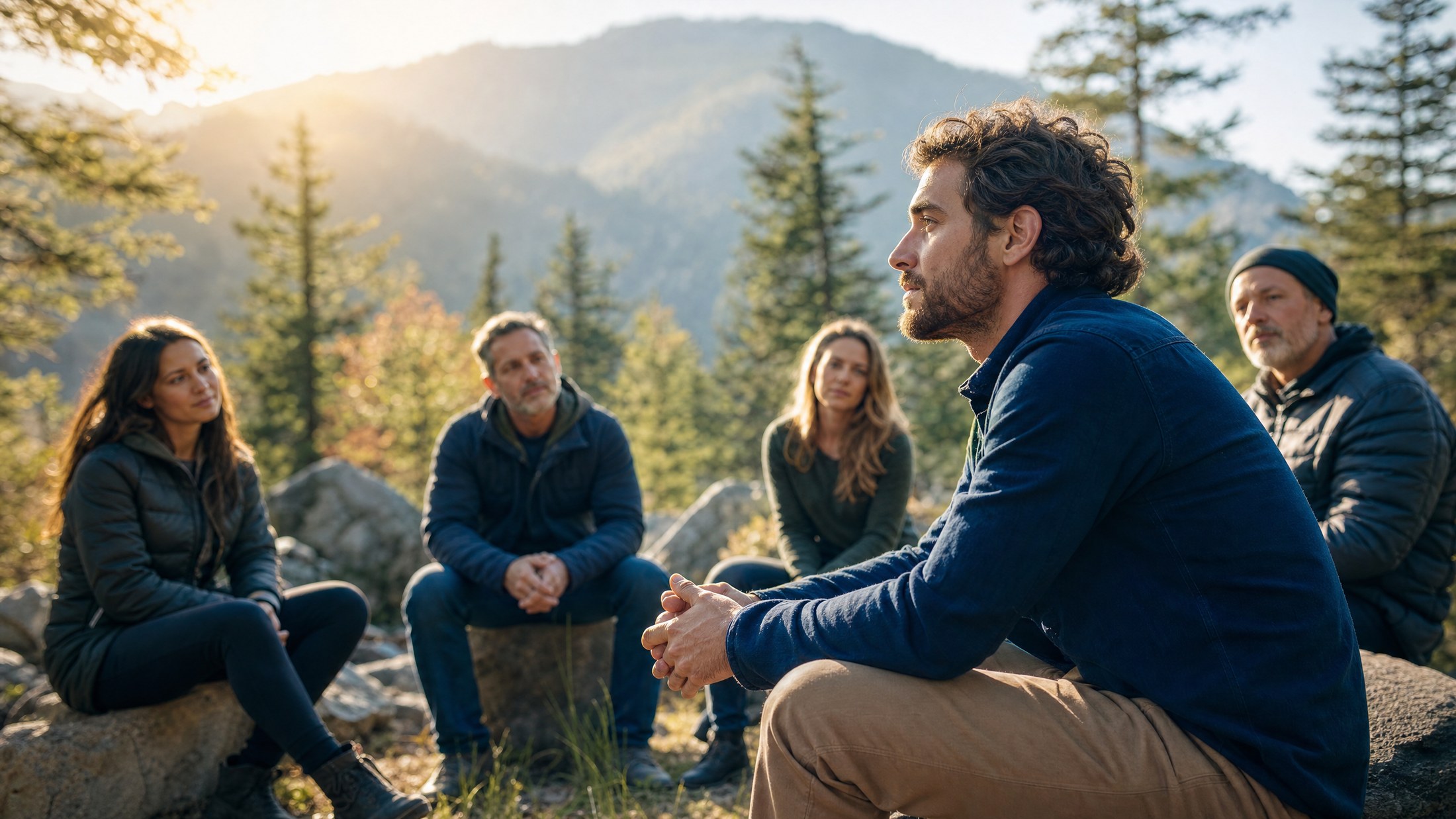
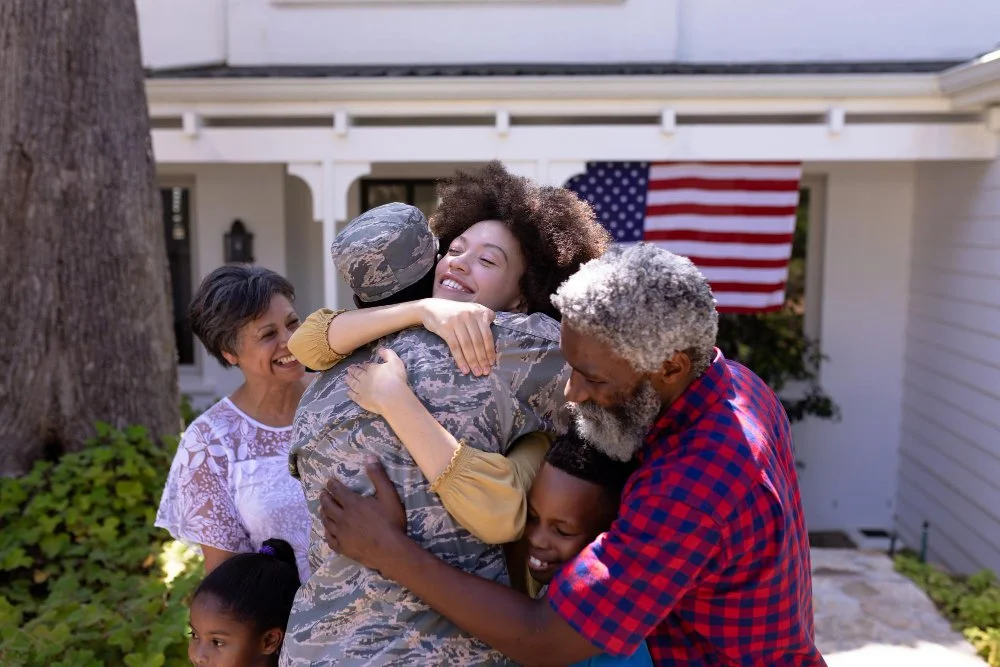
Our veterans have given so much for our country. It's only fitting that we support them as they face the unique challenges of recovery.Veterans often grapple with experiences and memories that most of us can't imagine. The transition from military to civilian life can be incredibly tough, and the weight of past traumas can lead some to seek solace in substances. This struggle is more common than many realize, but there is hope and a wealth of support available.Take the story of Sam, a former Marine who served two tours overseas. Returning home, Sam found it difficult to adjust to civilian life. The lingering effects of PTSD and the sense of disconnection led Sam down a path of alcohol dependency.But Sam’s story didn’t end there. With the support of a dedicated veterans' support group and access to specialized therapy, Sam began to rebuild. Today, Sam is not only sober but also actively helps other veterans facing similar battles.The key to supporting veterans lies in understanding their unique needs. Here are some effective strategies that have proven to make a difference:Veteran-Specific Support Groups: Connecting with others who have shared similar experiences can provide immense comfort and understanding. These groups offer a safe space to share, heal, and grow together.Trauma-Informed Therapy: Professional help that acknowledges and addresses past trauma is crucial. Therapists trained in trauma-informed care can offer techniques and coping strategies tailored to veterans.Holistic Approaches: Incorporating physical, mental, and emotional well-being through activities like yoga, meditation, and outdoor adventures can significantly aid in the recovery process.Community Outreach Programs: Engaging with local communities and veteran organizations can provide additional support networks, resources, and a sense of belonging.Family and Peer Support: Encouraging family members and friends to be part of the recovery process can strengthen the support system. Their understanding and encouragement can be invaluable.If you or a veteran you know is struggling with addiction, remember that help is available. Reach out to local veteran support organizations, explore therapy options, and connect with groups that understand the unique challenges faced by those who have served.Together, we can help our veterans find the strength and support they need to overcome addiction and lead fulfilling lives.
Best,
Ben Randolph
503-901-1836