

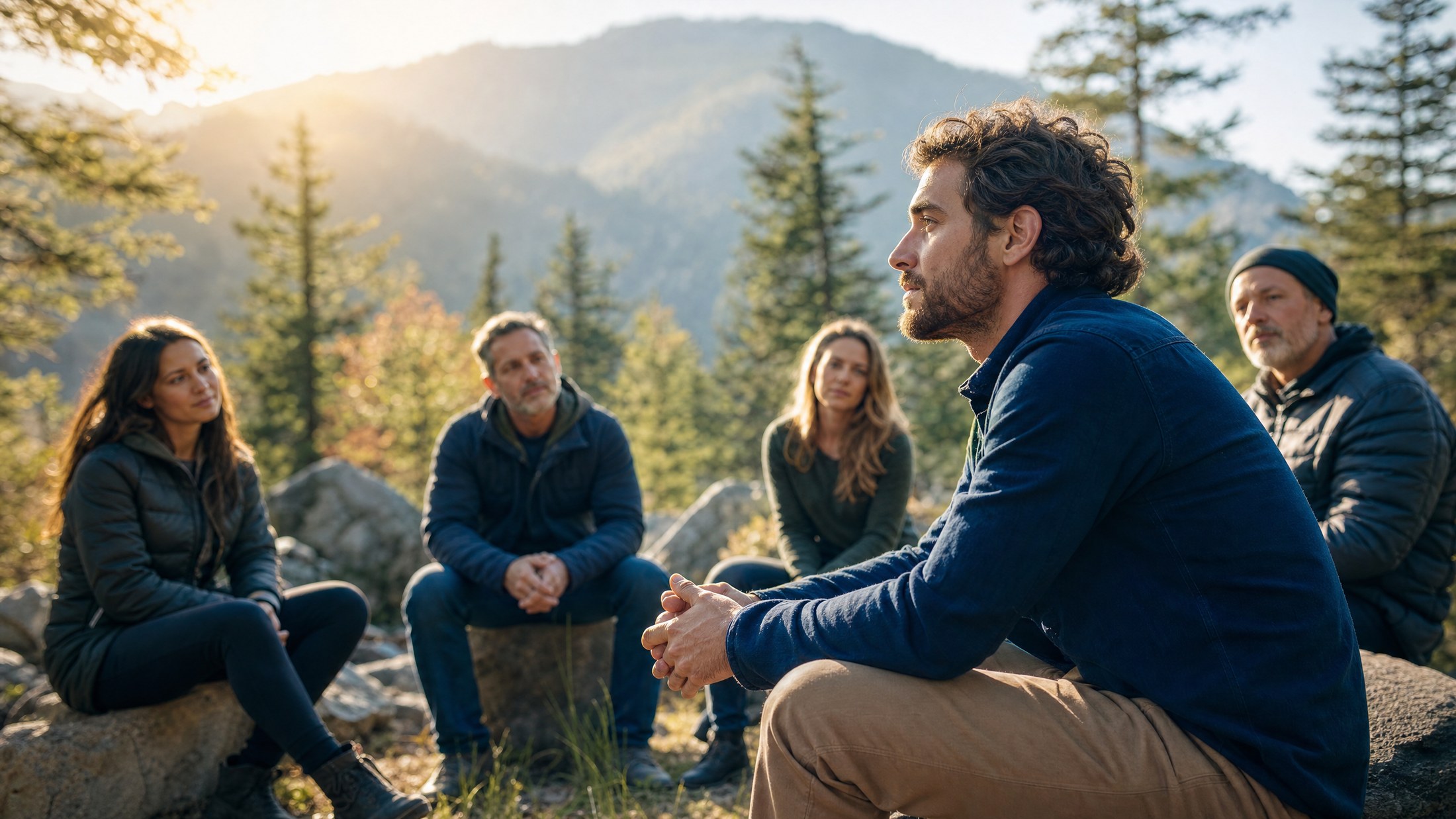


Understanding the Path of Holistic Recovery

Key Takeaways
- Whole-Person Focus: Holistic recovery integrates mental, physical, and spiritual health, reducing relapse rates by up to 50% compared to abstinence-only models.
- Dual-Diagnosis Necessity: Effective treatment must address co-occurring mental health conditions (anxiety, depression, trauma) simultaneously with substance use.
- Regional Advantage: Oregon and the Pacific Northwest offer unique infrastructure for trauma-informed care, including nature-based therapies and strong parity laws.
- Strategic Action: Success requires a structured 30-day plan involving self-assessment, insurance verification, and selecting a provider that offers genuine integrated care.
What Holistic Recovery Really Means
Holistic recovery means much more than simply achieving sobriety. It’s an approach that addresses all parts of a person—the mind, body, spirit, and social supports—recognizing how each area influences the others. For individuals in Oregon, Wyoming, or anywhere in the Pacific Northwest, this whole-person model resonates because it honors the complexity of real lives and the unique challenges faced across diverse communities.
Studies reveal that integrated, multi-dimensional care leads to higher treatment retention and improves long-term well-being compared to programs that focus only on stopping substance use.13
Compassionate, accountable support is central; person-first language, trauma-informed therapy, and strong peer and community connections are essential elements of this framework. As we explore the path that true healing follows, the next section guides readers beyond abstinence and into the heart of the whole-person model.
Beyond Abstinence: The Whole-Person Model
The shift from abstinence-only programs to a whole-person care model has redefined what lasting recovery can look like in places like Oregon and Wyoming. True healing means supporting the mental, physical, social, and spiritual facets of an individual’s life—not just the absence of substances. Research shows that programs prioritizing these multiple domains lead to better engagement, stronger resilience, and lower relapse rates than traditional models focused on abstinence alone.15
This expanded framework, called whole-person care, is especially vital in Central Oregon and throughout the Pacific Northwest, where access to community and culturally responsive support matters deeply. For those seeking Oregon addiction treatment or exploring Wyoming drug rehab, holistic approaches address practical needs and emotional wellness, paving the way for more sustainable change. The following sections break down how these dimensions intersect and why each is essential for comprehensive wellness.
Mind, Body, Spirit, and Community Dimensions
For many seeking Oregon addiction treatment, Wyoming drug rehab, or support in the Pacific Northwest, a whole-person approach carefully attends to four distinct pillars:8
- Mind: Covers mental health care, coping skills, and trauma-informed practices—essential for those with co-occurring challenges.
- Body: Incorporates healthy routines, exercise, medical care, and nutritious eating, as research confirms that physical wellness improves mood and resilience.
- Spirit: Involves personal values and meaning—whether that’s mindfulness, faith traditions, or cultural identity.
- Community: Addresses healthy relationships, peer support, and belonging within sober networks.
Effective recovery integrates each domain; industry leaders find that doing so both boosts retention and supports long-term success.18
Why Traditional Models Fall Short
Traditional addiction treatment models often focus narrowly on achieving abstinence, overlooking the interconnected challenges people actually face in places like Oregon, Wyoming, and the Pacific Northwest. These older approaches may underemphasize mental health needs, trauma history, or community support—leaving critical pieces of the recovery puzzle untouched. Research shows that when only one dimension is addressed, individuals miss out on healing opportunities in areas like emotional wellness and physical health, which holistic and whole-person recovery frameworks intentionally support. In contrast, holistic care aligns treatment to a person’s full experience, uniting clinical therapies and peer support to drive better engagement and long-term progress. As we move forward, it’s helpful to assess whether a holistic model fits your own situation and recovery goals.12
Self-Assessment: Is Holistic Care Right?
A self-assessment is a useful tool for deciding whether a holistic recovery path fits your needs, whether you live in Central Oregon, Wyoming, or elsewhere in the Pacific Northwest. Start by reflecting on your own experience: Are there mental health concerns, ongoing stress, or physical health issues playing a role? Do you feel disconnected from your community, or in need of spiritual meaning?
Research shows that whole-person care best supports individuals navigating intertwined challenges—especially those facing both substance use and mental health concerns. This path makes sense for people who want more than just abstinence; it suits those seeking Oregon addiction treatment or Wyoming drug rehab who want lasting wellness rooted in multiple areas of their life. Holistic and whole-person approaches offer the opportunity to address the full scope of challenges while building resilience and stronger connections.3
Diagnostic Questions for Your Situation
Start by using these diagnostic questions to gauge whether a holistic recovery approach is likely to meet your needs—especially if you’re considering Oregon addiction treatment, Wyoming drug rehab, or support within the Pacific Northwest:
- Are you experiencing mental health challenges such as anxiety, depression, or trauma alongside substance use?
- Do ongoing physical health issues or chronic pain affect your daily life?
- Would you benefit from stronger peer or family connections?
- Are you searching for meaningful activities or purpose, beyond just getting sober?
- Has stopping substances alone left you feeling unsatisfied, isolated, or without support?
This method works when you’re open to addressing the full scope of life’s dimensions, not only abstaining from drugs or alcohol. Research shows people navigating these intertwined areas gain the most from whole-person care—resulting in greater resilience and better long-term results. These practical questions provide clarity on whether a multi-faceted, integrated approach is the right next step.3
Understanding Co-Occurring Needs
Understanding co-occurring needs means recognizing that substance use and mental health conditions—often called dual diagnosis—frequently exist together, creating extra challenges for lasting wellness. In Central Oregon or Wyoming, for example, people pursuing holistic recovery may face anxiety, depression, or trauma alongside substance use.
Research shows that integrated care—where mental health and substance use treatment are delivered together—leads to superior outcomes compared to separate or siloed approaches. This solution fits those who feel that working on just one area leaves out vital parts of their experience. Many Oregon addiction treatment and Wyoming drug rehab programs now offer this multi-pronged support, blending clinical therapies and practical skills. Being open about all your needs gives holistic care its best chance to help you rebuild purpose and stability.3
Core Components of Holistic Recovery
A truly effective holistic recovery program weaves together a range of core components—therapies that address mental health, support physical wellness, affirm a person’s cultural identity, and help rebuild vital peer and family connections. In communities across Oregon and Wyoming, evidence shows that blending evidence-based therapies with trauma-informed and culturally responsive practices boosts treatment retention and overall well-being compared to single-focus approaches.13,18
Holistic recovery is more than a clinical buzzword; it’s a multi-layered, person-focused journey shaped by tools like cognitive behavioral therapy, mindfulness, peer support, and opportunities for spiritual or cultural healing. When Oregon addiction treatment or Wyoming drug rehab programs embrace whole-person care, they help individuals build sustainable changes that reach beyond mere abstinence. As we dive into the specifics, you’ll see how therapeutic strategies, social support, and cultural responsiveness work together for more resilient recovery outcomes.
Evidence-Based Therapeutic Approaches
For those seeking Oregon addiction treatment, Wyoming drug rehab, or recovery support in the Pacific Northwest, evidence-based therapies are at the heart of holistic recovery. Core methods like cognitive behavioral therapy (CBT), dialectical behavior therapy (DBT), and motivational interviewing are carefully chosen for their proven ability to improve outcomes, not just for substance use but also for co-occurring mental health challenges.
These therapeutic approaches work best when combined with trauma-informed techniques and attention to underlying psychological needs—aligning with the whole-person model. According to experts, integrating multiple evidence-supported modalities into treatment is essential for producing lasting behavioral change and higher retention in recovery. Expect to invest in regular individual and group sessions, with costs in Oregon or Wyoming averaging $120–$200 per session, and a standard program lasting several months.18
CBT, DBT, and Motivational Interviewing
Cognitive Behavioral Therapy (CBT), Dialectical Behavior Therapy (DBT), and motivational interviewing form the backbone of evidence-based therapeutic strategies in holistic addiction recovery throughout Oregon, Wyoming, and the broader Pacific Northwest. CBT helps people examine and reframe challenging thoughts and behaviors associated with substance use, while DBT builds emotional regulation and distress tolerance skills—essential for those experiencing intense feelings or self-destructive patterns.
Motivational interviewing, meanwhile, uses empathy and open-ended questions to support clients as they resolve ambivalence and set self-directed goals. Industry leaders find that programs weaving together these modalities show higher retention rates and long-term recovery stability compared to single-method models. This approach suits individuals who want practical skills for everyday living and seek both accountability and compassion on their recovery journey. Integrating these methods ensures that whole-person healing is accessible alongside other supports like community, mindfulness, and medical care.18
Trauma-Informed Care and PTSD Integration
A trauma-informed approach is fundamental in holistic recovery, especially for individuals navigating substance use in Oregon, Wyoming, and across the Pacific Northwest. Trauma-informed care means treatment teams consider past or ongoing trauma (such as abuse, neglect, or major loss) as potential root causes of substance use. Rather than re-traumatizing, these programs establish safety and trust while using evidence-based therapies like Seeking Safety, Eye Movement Desensitization and Reprocessing (EMDR), and Acceptance and Commitment Therapy (ACT) to process and heal from trauma.
Research shows that individuals who receive integrated trauma intervention achieve higher abstinence rates and experience greater reductions in PTSD symptoms than those in standard care—results that hold true across racially and culturally diverse groups. For many, this method is especially critical when anxiety, PTSD, or unresolved grief co-occur with substance use. Effective trauma-informed care is particularly relevant for people seeking Oregon addiction treatment or Wyoming drug rehab who need both substance use support and help coping with trauma.4
Mindfulness and Body-Centered Practices
Mindfulness and body-centered practices form a crucial layer in holistic recovery for those seeking Oregon addiction treatment or Wyoming drug rehab. These approaches include techniques like meditation, deep breathing, and yoga, each designed to reconnect individuals with their bodies, reduce stress, and build resilience against cravings and relapse triggers.
Research confirms that exercise and mindful movement can improve mood and relieve depression as effectively as traditional counseling, while also enhancing self-awareness and emotional balance. This strategy suits those who want to strengthen the mind-body connection and develop healthier coping mechanisms throughout their recovery. Integrating mindfulness with movement supports whole-person healing and dovetails with other evidence-based modalities to create a well-rounded recovery process.8
Cultural and Identity-Affirming Care
Cultural and identity-affirming care is a central component of holistic recovery, especially for diverse populations pursuing Oregon addiction treatment, Wyoming drug rehab, or co-occurring support anywhere in the Pacific Northwest. This approach honors each person’s background, embracing culturally responsive therapies, spiritual traditions, and identity-affirming groups to ensure individuals feel truly seen and supported.
Industry experts agree that tailoring treatment to cultural and social identities can drive higher engagement, satisfaction, and long-term healing outcomes. By integrating elements like indigenous healing practices, LGBTQ+ affirming spaces, and gender-specific programming, holistic recovery gives everyone a fair chance at sustainable wellness. Consider this route if you or your loved one draws strength from community identity, cultural heritage, or faith.18
Gender-Specific Treatment Environments
Gender-specific treatment environments play a unique role in holistic recovery, especially for those accessing Oregon addiction treatment, Wyoming drug rehab, or co-occurring support throughout the Pacific Northwest. These settings—like men’s and women’s recovery homes—offer a safe space for individuals to address challenges connected to both their identities and substance use.
Industry leaders find that when care is tailored by gender, people often report feeling more comfortable sharing difficult experiences and exploring trauma, resulting in better engagement and higher retention in treatment. Consider this approach if you or a loved one seeks affirmation, safety, or community with peers facing similar gender-based experiences. These identity-affirming spaces are essential layers within person-centered, whole-person healing models and help support sustainable wellness alongside other culturally responsive care options.18
Wellbriety and Native American Approaches
Wellbriety and Native American approaches have become central to truly inclusive holistic recovery in Oregon, Wyoming, and throughout the Pacific Northwest. The Wellbriety Movement blends indigenous values—connection with nature, community, and tradition—with modern evidence-based practices to create a healing path rooted in cultural identity. In practice, this might involve sweat lodge ceremonies, teachings from elders, talking circles, and the Medicine Wheel, all integrated alongside core therapies and peer support.
Research shows that programming which honors cultural heritage and spiritual traditions can dramatically increase engagement and satisfaction with care, especially for Native Americans and Alaska Natives seeking substance use or co-occurring support. This model gives individuals a deeper sense of belonging and purpose, strengthening resilience for sustainable whole-person healing. Prioritize this route if spiritual connection and indigenous worldviews are vital to your identity or recovery journey.18
Real Recovery Starts in Portland, Oregon
Call now or verify insurance to take the first step toward lasting recovery in Portland.
Decision Framework: Choosing Your Path
A practical decision framework empowers individuals and families across Oregon, Wyoming, and the Pacific Northwest to find their most sustainable path to holistic recovery. Use this overview as a roadmap: start by identifying your current situation—are you coming from a crisis, needing residential care, seeking outpatient options, or preparing for reintegration into work or school? Research highlights that integrated, whole-person care produces superior results when treatment is tailored to these distinct phases, blending mental health, physical wellness, and community support.18
Estimated costs vary: residential and crisis detox transitions may require collaboration with partners like Pacific Crest Trail Detox and can cost $7,000–$25,000 per month, while outpatient programs in Oregon addiction treatment or Wyoming drug rehab typically range from $120–$200 per weekly session. Consider this approach when you value flexibility, evidence-based therapies, and cultural or identity-affirming support. Thoughtfully weighing time investment—ranging from several weeks for detox to months for outpatient and transitional living—helps families plan resources and set realistic recovery milestones.
Implementation Pathways by Situation
Choosing the right implementation pathway for holistic recovery starts with a situation-specific checklist: 1) Are you managing a recent crisis or withdrawal? 2) Do you need structured support in your daily environment? 3) Are you preparing to reintegrate into work or school? These real-life scenarios point Oregonians, Wyoming residents, and people across the Pacific Northwest toward distinct options that fit whole-person care.
Research shows that matching your stage in recovery with the right level of care—detox, residential, outpatient, or transitional planning—significantly boosts engagement and long-term wellness. The holistic model ensures resources, like trauma-informed therapy and peer networks, adapt to changing needs. Integrated approaches, such as those offered with partners like Pacific Crest Trail Detox for intensive needs, accelerate progress and bridge gaps between crisis, stabilization, and independence.18
Crisis Detox to Residential Transition
For individuals in Oregon, Wyoming, or throughout the Pacific Northwest experiencing a crisis or the end of acute withdrawal, moving from detox to residential care is a crucial early phase of the holistic recovery journey. This transition typically starts with stabilization at a facility like Pacific Crest Trail Detox, ensuring safety and medical support in a setting that honors the whole-person model. Once withdrawal symptoms are managed, integrated residential care weaves together therapy for co-occurring mental health concerns, healthy routines, and community engagement.
Research shows that this comprehensive, multi-domain approach in early recovery results in higher retention and improved outcomes compared to siloed detox or short-term placements. Expect to commit two to six weeks for detox, then one to three months of structured residential services—most programs in Oregon and Wyoming range from $7,000 to $25,000 per month. This route suits individuals needing a secure environment where trauma-informed therapy, medical support, and peer networks are key pillars of their recovery plan.18
Outpatient and Sober Living Options
After leaving residential care, many individuals in Oregon, Wyoming, and the surrounding Pacific Northwest look to outpatient and sober living options as practical next steps along the holistic recovery path. Outpatient programs typically run $120–$200 per weekly session and offer flexible therapy schedules, ideal for those starting to rebuild daily routines while still needing strong clinical and peer support.
Sober living homes, such as those in Central Oregon, provide a substance-free environment with peer connections and accountability, easing the transition between intensive care and independent living. This method works best when you need both structure and autonomy—offering person-focused guidance, support circles, and continued access to whole-person wellness activities. Research consistently shows that combining outpatient services with stable recovery housing boosts long-term success and social stability after formal treatment.18
Employment and Education Reintegration
Employment and education reintegration is a vital step on the holistic recovery journey for individuals in Oregon, Wyoming, and the broader Pacific Northwest. This phase requires building life skills, accessing career or academic counseling, and maintaining participation in therapy or support groups while managing new responsibilities. Research shows that recovery programs which incorporate structured vocational support and educational coaching consistently lead to improved stability, higher self-esteem, and long-term wellness outcomes.18
This solution fits people who want to rebuild their professional or academic lives as part of sustained whole-person healing. Many Oregon addiction treatment and Wyoming drug rehab programs offer assistance with resume writing, interview prep, and connecting to local employers or training programs, all woven together with ongoing trauma-informed care and peer community resources. As we wrap up implementation pathways, the next section looks at how to plan for logistical needs—like insurance and resource management—to set a solid foundation for the future.
Resource Planning and Practical Factors
Successful holistic recovery in Oregon, Wyoming, or the Pacific Northwest begins with a simple resource planning checklist: 1) Explore insurance coverage for different levels of care; 2) Estimate total costs, including outpatient therapy or transitional housing; 3) Assess time investment—detox may last weeks while outpatient care can span months. Research shows that well-planned resource management is a crucial foundation for sustained whole-person recovery, especially in areas with limited mental health resources and varying access to supportive services.18
This solution fits those who want to avoid surprises and set clear, achievable milestones. It’s wise to review family and community supports, transportation needs, and eligibility for financial assistance programs. Many seeking Oregon addiction treatment or Wyoming drug rehab benefit from partnering with case managers or admission specialists to navigate these practical steps. Up next, we’ll take a closer look at insurance and financial options, plus how family support can streamline the holistic journey.
Insurance Coverage and Financial Options
Start planning your holistic recovery journey with a financial readiness checklist:
- Confirm which Oregon addiction treatment or Wyoming drug rehab services your insurance covers—most commercial and Medicaid plans now include some mental health and co-occurring addiction support, but may limit coverage for complementary therapies.
- Ask providers for cost breakdowns; residential care often runs $7,000–$25,000/month in the Pacific Northwest, while outpatient therapy ranges $120–$200 per session.
- Explore scholarships, grants, or sliding-scale options if costs seem overwhelming.
Research shows that gaps in insurance coverage can present real barriers, especially for those pursuing extended, multi-phase recovery models. This strategy suits individuals and families who want sustainable, whole-person healing without unexpected expenses. Partnering with case managers or financial counselors is a smart route as you clarify available benefits and ensure your investment supports every layer of recovery.13
Timeline Expectations and Family Support
When planning for holistic recovery in Oregon, Wyoming, or other Pacific Northwest communities, it’s important to set clear timeline expectations and involve family in support roles from the outset. Most people can expect integrated recovery programs—spanning detox, outpatient, and transitional care—to last from a few months up to a year, with some phases requiring more intensive daily engagement.
This timeline allows for progress in areas like mental health, physical wellness, and peer connection, all of which research links to higher success rates in whole-person healing. Family involvement is also a proven contributor to long-term recovery, as ongoing support and healthy communication lower relapse risk and increase accountability. This person-centered approach works especially well when loved ones participate in therapy sessions, learn about recovery strategies, and create a supportive home environment.10,18
Your Next 30 Days: Action Plan
A strong start is key when stepping into holistic recovery—especially for those in Oregon, Wyoming, and communities throughout the Pacific Northwest. This next 30-day action plan gives readers practical steps for advancing their whole-person wellness journey, whether they're entering Oregon addiction treatment, Wyoming drug rehab, or coordinating co-occurring support. Industry research highlights that clear, early engagement with integrated mind-body-spirit strategies increases both participation and long-term success rates in holistic care models.18
Expect to dedicate time to self-assessment, connecting with supportive resources, and building routines that include mental health, physical wellness, and community support—each essential for sustainable healing. Most people should plan on several hours per week for early assessment, outreach, and setting up therapy sessions, with some additional investment in activity planning and peer group participation. The weeks ahead will outline a straightforward, regionally relevant framework for early action.
Week 1-2: Assessment and Outreach
Week 1 and 2 in a holistic recovery journey are all about assessment and purposeful outreach. Start with a basic checklist: gather your treatment goals, make note of any co-occurring concerns (like mental health symptoms), and research trusted Oregon addiction treatment or Wyoming drug rehab providers. This approach works best when you dedicate 2–4 hours over the first week for self-reflection, making information calls, and setting up preliminary appointments.
Research confirms that early engagement and outreach—especially when it involves both professional and community-based supports—significantly improve outcomes in whole-person recovery models. Consider reaching out to peer mentors, recovery homes in Central Oregon, or local mutual support groups to create your accountability network. By investing your time now, you lay the groundwork for integrated care that includes physical wellness, mental health, and social support.18
Gathering Information and Asking Questions
During the first two weeks of holistic recovery, creating a framework for your wellness journey starts with gathering trustworthy information and asking informed questions. Begin by listing your top three goals for entering Oregon addiction treatment or Wyoming drug rehab, and review reputable programs for whole-person care offerings. Industry leaders agree it’s valuable to directly ask each provider about their approach to co-occurring support, evidence-based therapies, and person-first practices—clear communication speeds up your access to the right resources.18
Jot down questions about insurance coverage, program length, and how physical wellness and mental health will be integrated. In rural parts of the Pacific Northwest, it’s wise to ask about telehealth or peer network options if travel is difficult. This research-driven, mindful strategy helps set realistic expectations and eases worries as you pursue lasting wellness through integrative addiction recovery and comprehensive support models.
Navigating Intervention When Needed
Sometimes, early in the holistic recovery journey, intervention becomes necessary—especially if a loved one or community member isn’t yet ready to seek help on their own. In Oregon, Wyoming, or throughout the Pacific Northwest, a well-timed intervention can be the first bridge toward whole-person healing when denial, crisis, or safety concerns are present.
Start with a checklist: identify potential risks (suicidal thoughts, severe withdrawal, or unsafe environments), consult a professional experienced in coordinated intervention, and reach out to trusted local resources—like Oregon addiction treatment centers or mutual aid groups—for immediate support. Industry experts recommend that interventions be grounded in person-first language and respect, focusing on the person’s strengths and the interconnected needs of mind, body, and relationships rather than just substance use. This response is most effective when family, friends, or peers participate as a team, emphasizing the importance of comprehensive support—not confrontation.18
Week 3-4: Admission and Early Engagement
Week 3 and 4 in a holistic recovery journey focus on admission into your chosen program and becoming fully engaged in its structure—whether that’s Oregon addiction treatment, Wyoming drug rehab, or another Pacific Northwest provider. Expect to dedicate 6–10 hours over these two weeks for onboarding, assessment meetings, and starting group or individual sessions tailored to whole-person wellness.
Industry research confirms that this early, active participation sets the stage for higher retention rates and more sustainable mind-body-spirit healing than disengaged or passive approaches. During this phase, you’ll begin building routines that emphasize mental health support, physical activity, and peer involvement. For those entering recovery homes or outpatient programs, this is also the time to clarify house guidelines, learn about peer accountability, and set wellness intentions with your care team. Opt for early, hands-on engagement when you want your recovery experience to be structured, supportive, and rooted in a holistic framework.18
What to Expect in Initial Treatment Phases
In the initial treatment phases of holistic recovery—whether in Oregon addiction treatment, Wyoming drug rehab, or another Pacific Northwest program—participants can expect a structured yet welcoming process. The first few sessions often feature comprehensive assessments that explore mental health, physical wellness, and personal strengths, supporting true whole-person care. Early treatment usually includes a combination of individual counseling, group therapy, and introduction to peer support activities, ensuring everyone feels engaged and connected.
Most programs also introduce routines for physical activity, mindfulness, and community involvement within the first two weeks. Industry research confirms that those who actively engage in these integrated approaches during early treatment phases experience higher retention and greater improvements in overall well-being than those in single-focus programs. For people receiving support for both substance use and co-occurring mental health needs, this phase is key to building a strong foundation for mind-body-spirit healing and sustainable recovery.18
Building Your Long-Term Recovery Foundation
Building a strong foundation for long-term recovery in Oregon, Wyoming, or the Pacific Northwest depends on developing daily routines and sustainable support systems that fit a whole-person wellness plan. This means intentionally weaving together ongoing mental health care, regular physical activity, peer and family involvement, and personal reflection—core ingredients for successful recovery maintenance.
Research shows that holistic recovery works best when individuals continue integrating these multi-domain supports long after initial treatment, leading to higher retention and improved outcomes compared to single-focus approaches. Strategies like joining mutual aid groups, setting wellness goals with your care team, and embracing culturally meaningful practices can make continued progress feel both achievable and relevant to your life. As you craft your plan, keep in mind that a truly holistic journey adapts to new challenges and celebrates growth at each stage.18
Partnering for Comprehensive Recovery
True holistic recovery doesn’t happen in isolation—it flourishes when individuals, families, and providers work together in a coordinated network of support. In Oregon, Wyoming, and the Pacific Northwest, leading addiction treatment centers like Oregon Trail Recovery partner with organizations such as Pacific Crest Trail Detox to bridge gaps between detox, residential, and outpatient services. This collaboration is vital to delivering whole-person, integrated care—research shows that multi-modal programs featuring medical stabilization, trauma-informed therapy, peer support, and ongoing social resources achieve higher engagement and better long-term outcomes than programs that only target sobriety.18
Consider this path when you want your recovery experience to be seamless, evidence-based, and adaptable to changing needs. Providers in Oregon addiction treatment and Wyoming drug rehab are working together to ensure each client receives tailored, dignified care—meeting mental health, physical wellness, and social connection needs across every stage of their journey. As holistic wellness continues to expand regionally, the next section shares trustworthy references for learning more and finding support in your community.
Your recovery journey is unique, but you don’t have to walk it alone. Oregon Trail Recovery is here to provide the support, guidance, and evidence-based treatment you need to succeed. Take that first step today—your future self will thank you.
Frequently Asked Questions
The Frequently Asked Questions section brings together clear, straightforward answers to the most common concerns people have when exploring holistic recovery—especially when seeking Oregon addiction treatment, Wyoming drug rehab, or support across the Pacific Northwest. From insurance coverage and time commitments to how co-occurring mental health and substance use are addressed, these FAQs reflect the real-life questions individuals and families face on their recovery journey. Studies reveal that direct, honest information about treatment methods, costs, and expectations increases confidence and successful participation in whole-person programs. Each answer below is grounded in evidence-based research and person-first values, ensuring respect for every unique experience along the path to wellness.18
How do I choose between a holistic program and a traditional abstinence-focused program?
Choosing between a holistic recovery program and a traditional abstinence-focused program comes down to the kind of support you need for lasting wellness. Holistic recovery in Oregon addiction treatment or Wyoming drug rehab settings is designed to address the mind, body, spirit, and community—especially if you have co-occurring mental health challenges, want routines that emphasize well-being, or value trauma-informed and culturally responsive care. This approach is ideal when you seek integrated therapies and ongoing support for the bigger picture of your health. Traditional abstinence-focused programs may work if abstaining from substances is your only goal and you aren't facing additional emotional, spiritual, or social obstacles. Studies reveal that holistic, whole-person care leads to higher retention and better long-term recovery than single-focus models. It’s worth weighing your own needs, as a person-centered, multidimensional approach offers practical strategies for building resilience and achieving sustainable wellness.18
What does holistic treatment cost, and will my insurance cover it?
The cost of holistic recovery can vary a lot based on the type of care, setting, and your region. In Oregon addiction treatment or Wyoming drug rehab programs, outpatient holistic care generally ranges from $120–$200 per therapy session, while residential or detox care can cost $7,000 to $25,000 per month in the Pacific Northwest. Insurance often covers much of the core treatment—especially for mental health and substance use disorder services—but may not cover all complementary therapies or extended support like specialty wellness activities. Many families work with case managers to check coverage, explore financial aid, or set up payment plans, making whole-person care more accessible. Research advises confirming all costs upfront because limitations in insurance coverage can present real challenges for those seeking comprehensive recovery support.13
How long does holistic recovery treatment typically take?
The duration of holistic recovery treatment in Oregon, Wyoming, or the Pacific Northwest depends on individual needs and chosen care pathways. Most people participate in integrated programs for at least three to six months, with a full continuum—spanning detox, outpatient, and sober living—often extending up to a year or longer. Research shows that longer engagement with whole-person support, including mental health care, community involvement, and physical wellness, results in higher retention rates and stronger long-term outcomes compared to single-focus or brief treatment models. This timeline allows for comprehensive healing across mind, body, and spirit. The best results come when individuals remain flexible, adjusting care levels as their needs change on the path to sustainable recovery.18
Can Oregon Trail Recovery help with mental health conditions alongside substance use disorder?
Oregon Trail Recovery supports individuals with co-occurring mental health needs and substance use disorder, but does not provide primary mental health treatment alone. Their programs are designed for people who need integrated support—meaning both substance use treatment and help with conditions like depression, anxiety, or trauma. This model is a cornerstone of holistic recovery, where mental wellness and addiction care are addressed side by side using therapies such as cognitive behavioral therapy (CBT) and dialectical behavior therapy (DBT). Research confirms that blending these services leads to stronger recovery outcomes than treating only one area in isolation. If you or your loved one require stand-alone or acute psychiatric care, Oregon Trail Recovery coordinates with partners and local mental health resources across Oregon, Wyoming, or the Pacific Northwest to find the right fit. This supportive, whole-person approach is foundational for long-term healing.3
What happens if my loved one refuses to go to treatment?
If a loved one refuses to go to treatment, it can be discouraging, but holistic recovery still offers valuable strategies for families in Oregon, Wyoming, and the Pacific Northwest. Start by fostering open, non-judgmental conversations—avoiding blame and emphasizing care for their overall well-being. Sometimes, connecting with a peer support specialist or consulting Oregon addiction treatment and Wyoming drug rehab professionals can help plan a gentle, person-centered intervention. Research shows that holistic, multi-domain support—including peer outreach and family involvement—boosts readiness for change more effectively than confrontation or ultimatums. Even if treatment isn’t an option right away, families can focus on self-care, education, and maintaining compassionate boundaries while remaining ready to support their loved one when they become open to help. Remember, recovery is a journey, and sometimes the first step is building trust and safety in your relationship.18
Is relapse considered a failure in holistic recovery?
Relapse is not considered a failure in holistic recovery—in Oregon, Wyoming, or anywhere in the Pacific Northwest. Instead, it’s understood as a common and expected part of the healing journey, much like managing other long-term health conditions. Research shows that relapse rates for substance use disorders range from 40–60%, which is similar to chronic illnesses such as diabetes or hypertension. The holistic approach views setbacks as an opportunity to reassess supports in all areas—mind, body, community, and practical life skills. Instead of focusing on blame, programs encourage accountability, flexible planning, and using new coping tools from integrated care. This whole-person recovery model prioritizes learning and growth, so individuals can bounce back stronger and maintain hope on their path forward.9
How does gender-specific treatment improve recovery outcomes?
Gender-specific treatment has shown to significantly improve recovery outcomes by creating safer, more supportive spaces tailored to unique lived experiences. In Oregon addiction treatment, Wyoming drug rehab, and throughout the Pacific Northwest, men’s and women’s recovery homes foster honest discussions about gender-specific challenges, like trauma or stigma, which might be uncomfortable to address in mixed-gender settings. Research indicates that when individuals feel comfortable sharing openly and receive care designed around their identity, engagement and retention in holistic care both increase—leading to greater long-term wellness and whole-person healing. This method also allows staff to address the mental, physical, and relational aspects that differ by gender, strengthening mind-body connections and peer networks crucial for lasting recovery.18
What makes culturally specific programs like Wellbriety different from standard treatment?
Culturally specific programs like Wellbriety are fundamentally different from standard addiction treatment because they weave indigenous values, traditions, and worldviews directly into the healing process. In holistic recovery settings across Oregon, Wyoming, and the Pacific Northwest, Wellbriety integrates ceremonies, teachings from elders, talking circles, and the Medicine Wheel with core evidence-based therapies. This approach affirms cultural identity, community belonging, and spiritual connection—elements that can be overlooked in conventional models. Research shows that programs honoring cultural heritage significantly boost engagement and satisfaction among Native American and Alaska Native participants, supporting stronger long-term outcomes and whole-person wellness. Culturally responsive care addresses each person's mind, body, spirit, and social ties, making it a preferred option for those who draw strength from their cultural roots on the journey to recovery.18
Do I need to complete detox before starting a holistic outpatient program?
Completing detox is essential if you’re physically dependent on substances before beginning a holistic outpatient program in Oregon, Wyoming, or the broader Pacific Northwest. Detox provides a safe, medically supervised environment to manage withdrawal—this step protects your health and helps you fully participate in whole-person care once medical risks are addressed. However, not everyone needs a formal detox; the requirement depends on your substance use history, recent patterns, and any co-occurring health factors. Research shows that matching your care level to your needs—starting with detox when necessary and then transitioning into outpatient holistic recovery—improves engagement and long-term outcomes. Treatment centers often coordinate with partners like Pacific Crest Trail Detox for safe stabilization before outpatient services. If you’re unsure, a clinical assessment with an Oregon addiction treatment or Wyoming drug rehab provider can help you determine the right starting point for mind-body-spirit healing. Holistic wellness models are flexible and designed to meet you where you are on your journey.18
How can I verify that a holistic program is evidence-based and not just using trendy therapies?
To confirm a holistic program in Oregon, Wyoming, or the Pacific Northwest is truly evidence-based—and not just using buzzwords or trendy therapies—start by asking providers about the clinical credentials of their staff and the science behind their methods. Legitimate programs will clearly outline use of established therapies like cognitive behavioral therapy (CBT), dialectical behavior therapy (DBT), motivational interviewing, and trauma-informed care, all of which are supported by research as highly effective in whole-person healing. Ask whether complementary practices (such as yoga, mindfulness, or art therapy) are integrated into individualized treatment plans, and whether they are supervised by professionals trained in both addiction and mental health. It’s also wise to check if outcomes are measured systematically—programs with robust evaluation processes, ongoing provider training, and transparent use of evidence-based treatment will be able to answer confidently. Effective holistic recovery centers typically share their data, explain how they blend physical, mental, and social support, and stay updated with national standards. Look for local partnerships—such as with Pacific Crest Trail Detox—for continuity of care across all recovery domains. This multi-modal, whole-person approach—backed by evidence—offers a path to meaningful and sustainable wellness.13,18
What role does family play in holistic recovery treatment?
Family plays a crucial, ongoing role in holistic recovery—whether in Oregon addiction treatment, Wyoming drug rehab, or programs throughout the Pacific Northwest. Research consistently highlights that active family involvement lowers relapse risk, strengthens accountability, and builds a foundation for long-term wellness. In holistic care, families participate not just as bystanders, but as partners in therapy, learning constructive communication and how to support their loved one’s recovery journey. Engagement in family therapy and education sessions supports healthier boundaries, reduces conflict, and improves outcomes for everyone. These comprehensive, whole-person approaches recognize that repairing family dynamics, rebuilding trust, and fostering supportive environments are essential components of mind-body-spirit healing. Opt for programs that invite families to participate actively in goal-setting, support groups, and regular check-ins—these connections greatly enhance both resilience and social stability throughout recovery.10
Can I work or go to school while in a holistic outpatient program?
Yes, you can work or attend school while participating in a holistic outpatient program in Oregon, Wyoming, or the Pacific Northwest. Most holistic recovery outpatient models are specifically designed to fit around life responsibilities, allowing individuals to maintain employment or pursue education while engaging in structured therapy, peer groups, and wellness activities. Research highlights that integrating real-world roles—like work or school—into whole-person care supports long-term recovery and promotes psychosocial functioning. Most people dedicate 3–10 hours per week to outpatient sessions, which can include evenings or online options to increase flexibility. This model works well for those who need to rebuild daily routines and want recovery that fits real life, offering both accountability and autonomy. Ask your care team about coordinating schedules and accessing additional support, such as academic counseling or workplace communication, to strengthen your holistic recovery path.18
What are the success rates for holistic treatment compared to traditional programs?
Research consistently shows that holistic treatment programs deliver higher retention and improved recovery outcomes compared to traditional abstinence-only models—especially in regions like Oregon and Wyoming, where access to multi-domain support is key. For instance, trauma-informed, whole-person care in a holistic framework can achieve abstinence rates up to 75% at one-year follow-up for certain groups, surpassing many standard approaches that typically report rates closer to 36–50%. This success is credited to integrated support for mental health, physical wellness, stable housing, peer networks, and culturally responsive services—all central elements in a holistic recovery plan. As more providers in the Pacific Northwest and beyond adopt whole-person strategies, individuals gain tailored tools for achieving and sustaining long-term wellness.1,4,18
How do I find holistic treatment options in Oregon or Wyoming?
Finding holistic recovery options in Oregon or Wyoming starts with searching for programs that specifically mention whole-person care, trauma-informed support, and integration of mental health and addiction treatment. Look for Oregon addiction treatment or Wyoming drug rehab centers that feature evidence-based therapies (like CBT and DBT), peer community involvement, and cultural responsiveness. Reputable programs often list these details on their website, and many offer free initial consultations. State and regional directories, such as those maintained by SAMHSA, can help you filter for holistic and co-occurring care programs. Inquire about key elements: Do they address mind, body, and social needs? Is there support for family involvement or healing community relationships? Industry research highlights the importance of multi-domain support for long-term success, so prioritize agencies that demonstrate this approach in practice. Connecting with local recovery advocates or mutual aid groups can also provide leads to the most trusted, integrated services in your community.18
What should I bring or prepare before starting a holistic recovery program?
Before starting a holistic recovery program in Oregon, Wyoming, or the wider Pacific Northwest, it helps to prepare both your essentials and your mindset. Bring personal identification, insurance details, a list of current medications, and contact numbers for supportive family or friends. Most programs recommend packing comfortable clothes for varied activities—such as movement sessions or mindfulness practice—and basic toiletries. For recovery homes or extended stays, include weather-appropriate outerwear suitable for Pacific Northwest seasons. It’s also useful to bring a journal or notebook, as self-reflection and goal tracking are cornerstones of whole-person care. Industry guidance shows that readiness increases when individuals arrive open-minded, with clear wellness goals and a willingness to participate in the program’s mind-body-spirit routines. Review any pre-admission checklists your provider offers and clarify which items (e.g., electronics, snacks, books) are welcome or restricted. Emphasize flexibility: holistic recovery thrives when you arrive prepared to engage all areas—mental, physical, and social support systems—as part of your healing journey.18
References
- Outcomes research proves addiction treatment works. https://vista-research-group.com/outcomes-research-proves-how-effective-treatment-can-be
- The power of protective layers: Employers advancing whole-person health. https://nida.nih.gov/about-nida/noras-blog/2023/10/power-protective-layers-employers-advancing-whole-person-health
- Treatment for substance use disorder with co-occurring mental health conditions. https://pmc.ncbi.nlm.nih.gov/articles/PMC6526999/
- Effects of integrated trauma treatment on outcomes in a racially diverse sample. https://pmc.ncbi.nlm.nih.gov/articles/PMC2219564/
- Cognitive-behavioral therapy for substance use disorders. https://pmc.ncbi.nlm.nih.gov/articles/PMC2897895/
- The effectiveness of medication-based treatment for opioid use disorder. https://www.ncbi.nlm.nih.gov/books/NBK541393/
- Recommend evidence-based treatment: Know the options. https://www.niaaa.nih.gov/health-professionals-communities/core-resource-on-alcohol/recommend-evidence-based-treatment-know-options
- Enhancing substance use disorder recovery through integrated exercise approaches. https://pmc.ncbi.nlm.nih.gov/articles/PMC11201577/
- Addiction relapse prevention. https://www.ncbi.nlm.nih.gov/books/NBK551500/
- The importance of family therapy in substance use disorder treatment. https://library.samhsa.gov/sites/default/files/pep20-02-02-016.pdf
- SAMHSA – National Survey on Drug Use and Health and Recovery Statistics. https://www.samhsa.gov
- National Institute on Drug Abuse (NIDA) – Principles of Effective Treatment. https://www.drugabuse.gov/publications/principles-drug-addiction-treatment-research-based-guide-third-edition/principles-effective-treatment
- What is a Holistic Approach to Addiction Recovery?. https://recoverycentersofamerica.com/blogs/what-is-a-holistic-approach-to-addiction-recovery/
- Holistic Addiction Treatment: A Comprehensive Approach to Recovery. https://seacrestrecoverycincinnati.com/holistic-addiction-treatment-a-comprehensive-approach-to-recovery/
- What is the Whole Person Care Approach to Recovery?. https://stjosephinstitute.com/blog/what-is-the-whole-person-care-approach-to-recovery/
- Exploring the Effectiveness of Holistic Approaches in Addiction Recovery. https://www.kemahpalms.com/exploring-the-effectiveness-of-holistic-approaches-in-addiction-recovery/'
- Whole Person Approach. https://greenhillrecovery.com/resources/whole-person-approach/
- Holistic Therapy for Addiction. https://americanaddictioncenters.org/rehab-guide/holistic
- Integrated Care: A Whole-Person Approach to Recovery. https://www.zepfcenter.org/news/2023/09/20/awareness-months/integrated-care-a-whole-person-approach-to-recovery/
- SAMHSA Releases Annual National Survey on Drug Use and Health. https://www.samhsa.gov/newsroom/press-announcements/20250728/samhsa-releases-annual-national-survey-on-drug-use-and-health
Relapse Doesn't Mean the End Of Your Journey
Reach out today to explore programs that support real, long-term sobriety.