




Understanding Drug Rehabilitation Programs in Oregon

Oregon's Treatment Landscape & Need for Drug Rehabilitation Programs
Substance Use Patterns Across the State
Oregon’s substance use landscape is shaped by both regional trends and shifting drug preferences. Statewide, about 4.7% of people ages 12 and older met the criteria for a substance use disorder in 2023, driving a critical need for effective drug rehabilitation programs across the Portland metro, Willamette Valley, Central Oregon, and rural areas. Alcohol remains the most common primary substance leading to treatment admissions at 37%, with methamphetamine close behind at 32%—reflecting distinct usage patterns compared to national averages.5,1
Opioids continue to drive acute public health concerns, accounting for 84% of drug overdose deaths in Oregon as of 2022. Emergency departments across regions such as Southern Oregon and the Columbia Gorge have seen a 34% increase in opioid-related visits in just three years, underscoring a growing need for rapid response and tailored intervention.2
Readers might be wondering how these trends influence treatment facilities across Oregon. The answer lies in how programs adapt—integrating medication-assisted treatment for opioid use disorder, expanding trauma-informed models, and responding to the unique needs of each community. Understanding these patterns sets the stage for examining the persistent treatment gap and barriers to care throughout the state.

Treatment Gap & Access Barriers
Oregon’s treatment gap remains one of the most persistent challenges in the Pacific Northwest. Although roughly 4.7% of Oregonians age 12 and older met criteria for substance use disorder in 2023, only 11% of those individuals actually received specialty treatment—leaving nearly nine out of ten without adequate support. Several barriers shape this landscape: insurance hurdles, stigma, workforce shortages, and geographic limitations all play a role.1
For example, 42% of commercial insurers in Oregon have been found to apply discriminatory prior authorization or coverage limits to substance use disorder treatment, creating significant bottlenecks even for those who seek help. Access is especially limited in rural areas of Eastern and Southern Oregon, where treatment slots per capita are drastically lower than in urban centers.10
Regional Treatment Access Comparison in Oregon
Professionals working with families in Central Oregon or the Coast region often cite long waitlists and travel burdens as key obstacles to timely care. Stigma—both perceived and internalized—remains another barrier, discouraging individuals and families from reaching out until crises escalate. Understanding these access barriers is crucial for professionals designing or referring to programs that truly meet Oregon’s diverse needs.7
State Regulations & Licensing Standards for Drug Rehabilitation Programs
Substance use disorder treatment facilities across Oregon and the Pacific Northwest operate under strict regulatory frameworks designed to protect individuals seeking recovery. State licensing requirements ensure programs maintain clinical standards, staff qualifications, and safety protocols that support effective treatment outcomes. In Oregon, the Oregon Health Authority oversees these programs through comprehensive licensing standards.
Facilities must demonstrate compliance with staffing ratios, clinical supervision requirements, and evidence-based treatment protocols. Licensed programs undergo regular inspections and quality audits to verify they are meeting these benchmarks. This regulatory oversight creates accountability structures that help families identify programs with verified credentials and proven operational standards. Professionals can verify a facility's standing by navigating to the state portal, typing the facility name, and pressing Enter. Look for the Active_License status code in the registry.
Staff qualifications represent a critical component of state licensing. Oregon requires treatment programs to employ licensed clinical professionals who maintain active credentials and complete ongoing continuing education. These professionals typically include:
- Licensed Professional Counselors (LPCs)
- Licensed Clinical Social Workers (LCSWs)
- Qualified Mental Health Professionals (QMHPs)
- State-approved Peer Support Specialists and Recovery Mentors
Regulatory standards also address facility safety, medication management protocols, and client rights protections. Programs must establish clear procedures for medical emergencies, maintain secure environments, and implement trauma-informed practices that recognize the complex needs of individuals in recovery. These requirements extend to co-occurring mental health treatment, where programs must demonstrate capacity to address both substance use and mental health challenges simultaneously.
For families researching treatment options across multiple states, understanding that Wyoming, Washington, and other neighboring states maintain their own regulatory frameworks helps clarify what to look for in program credentials. Accreditation from organizations like The Joint Commission or CARF International adds another layer of quality verification beyond state licensing, indicating programs meet nationally recognized standards for clinical excellence and operational integrity.
Evidence-Based Treatment Modalities in Oregon
Medication-Assisted Treatment Integration
Medication-assisted treatment (MAT) has become a vital component of recovery programs in Oregon, especially in response to the state’s opioid crisis. MAT combines FDA-approved medications—such as buprenorphine, methadone, or naltrexone—with counseling and behavioral therapies, supporting both stabilization and long-term recovery. In Oregon, this integration is not just encouraged; it’s required by state licensing standards for facilities treating opioid use disorder.
Recent years have seen a marked expansion in MAT access, with increased prescriber training and pharmacy partnerships throughout the Portland metro, Willamette Valley, and even rural regions like the Eastern Oregon frontier. One statewide trend is the use of MAT to bridge gaps in care, particularly for individuals transitioning between detox and outpatient levels.4
"Research consistently shows that MAT, when paired with cognitive behavioral therapy, increases treatment retention and completion rates by 30–40% compared to counseling alone."
Family researchers and interventionists in Eugene or Medford report that MAT often reduces relapse risk during the critical early months post-discharge. Debate remains within some recovery circles regarding MAT’s alignment with abstinence-focused philosophies. However, state data make the case: with opioids involved in 84% of Oregon drug overdose deaths, MAT’s evidence-backed approach is saving lives.2
Trauma-Informed & Culturally Competent Care
Trauma-informed and culturally competent care isn’t just a trend in Oregon—it’s a direct response to the state’s realities. Up to 90% of individuals entering treatment programs here report trauma histories, a figure that shapes both the design and delivery of treatment statewide. In the Portland metro, programs often integrate trauma-informed approaches like Seeking Safety or EMDR, recognizing that safety and trust must come before deeper therapeutic work.8
It is important to note that facilities like Oregon Trail Recovery focus on co-occurring mental health treatment alongside substance use disorder support, rather than primary mental healthcare. This ensures that both conditions are treated in tandem when substance use is the primary diagnosis. Meanwhile, in Central Oregon, providers may supplement these models with Native American Wellbriety circles or gender-specific cohorts, reflecting the diversity of local populations.
Oregon’s licensing standards require all residential and outpatient staff to complete regular trauma-informed care training. This ensures that clients—whether recovering in the Willamette Valley or the Southern Coast—are met with empathy, clear boundaries, and an understanding of how trauma influences substance use. Studies reveal that trauma-informed approaches reduce relapse rates by 25% in the first year post-treatment, compared to standard models.7,8
Cultural competence is equally critical, given Oregon’s mix of urban, rural, tribal, and immigrant communities. Successful programs partner with local leaders and adapt evidence-based therapies for specific cultural groups, supporting long-term engagement. As a result, programs across Oregon are increasingly designed to honor both individual stories and regional values.
Regional Considerations Across Oregon
Portland Metro & Urban Treatment Access
Portland’s urban sprawl gives the region a unique advantage in treatment access, but it’s not without its challenges. The Portland metro area—home to roughly 40% of Oregon’s population—hosts the state’s most extensive network of care, including detox, residential, and intensive outpatient services. For those requiring higher levels of care in the region, Oregon Trail Recovery partners with Pacific Crest Trail Detox to provide seamless transitions into residential or inpatient detoxification before stepping down into outpatient settings.5
These programs are supported by a robust behavioral health workforce and proximity to major hospitals, which helps families access coordinated care and rapid intervention. Urban density also means more specialized options, such as gender-responsive and trauma-informed programs, are available to meet diverse client needs. Yet, the same urban context creates barriers. Waitlists are common due to high demand, and disparities can persist for BIPOC and LGBTQ+ communities despite increased provider training in cultural competence.7,8
Local data reveals that while the Portland area has more treatment slots per capita than rural Oregon, completion rates still hover near 52% for outpatient programs—highlighting the need for ongoing engagement and wraparound support. City-specific initiatives, like expanded telehealth and peer recovery programs, have helped Portland lead the state in piloting new models and closing access gaps.5
Rural & Central Oregon Service Delivery
When it comes to accessing care in Oregon, rural communities and Central Oregon face distinct hurdles—and have developed some inventive responses. Compared to the Portland metro, regions like the High Desert, Klamath Basin, and the vast Eastern Oregon counties have about 60% fewer treatment slots per capita, which means longer waitlists and more travel for families seeking care. Geography can create as much of a barrier as funding, especially for residents in areas like Lakeview or the rural stretches of the Columbia Gorge.7
To address these gaps, many providers have strengthened telehealth offerings and mobile outreach teams, making assessments and counseling accessible to those who can’t easily travel to Bend, Redmond, or smaller city hubs. Partnerships with local health departments and tribal clinics support culturally relevant programming, including Native American Wellbriety circles, which are a strong fit for Central Oregon’s population diversity.8
Success stories from places like Prineville and Madras illustrate how community collaboration—think shared case management or regional transportation networks—can boost engagement and completion rates. These efforts, while challenged by workforce shortages and funding volatility, are closing some of the state’s most persistent treatment gaps.5
Real Recovery Starts in Portland, Oregon
Call now or verify insurance to take the first step toward lasting recovery in Portland.

Insurance Coverage & Cost Considerations
Understanding insurance coverage for substance use disorder treatment helps families navigate financial decisions while focusing on getting their loved one the support they need. Most major insurance providers cover treatment, though specific benefits vary based on plan type, deductible requirements, and in-network versus out-of-network provider status. The Mental Health Parity and Addiction Equity Act requires insurers to cover behavioral health services at levels comparable to medical and surgical benefits, which has significantly expanded access to comprehensive programs across the Pacific Northwest.
Coverage typically extends across the continuum of care, from medical detoxification through residential treatment, intensive outpatient programs, and ongoing aftercare services. Many plans also cover evidence-based therapies like cognitive behavioral therapy, dialectical behavioral therapy, and family counseling sessions. Families might be wondering about coverage for specialized programs—gender-specific treatment tracks, culturally competent approaches, and dual diagnosis care often fall under standard behavioral health benefits when medically necessary.
Understanding the Insurance Verification Process
The verification process typically follows these steps to ensure transparency:
- Benefits Check: Treatment centers contact insurance providers to determine exact coverage details.
- Cost Breakdown: Facilities clarify copayments, coinsurance percentages, and any pre-authorization requirements.
- Out-of-Pocket Estimation: Staff calculate expenses based on whether the facility is in-network and how much of the annual deductible has been met.
For families in Oregon, Wyoming, and surrounding states, regional insurance networks and state-specific Medicaid programs may influence coverage options. Some treatment centers work directly with insurance companies to streamline the admission process, often facilitating placement within 24 hours once benefits are verified. When insurance coverage presents gaps, many facilities offer payment plans or sliding scale options to ensure financial barriers don't prevent someone from accessing life-saving treatment.
Conclusion
Navigating insurance coverage for substance use disorder treatment requires attention to detail and proactive communication with both providers and payers. Understanding verification processes, authorization requirements, and potential out-of-pocket costs helps families set realistic expectations and avoid financial surprises during what's already a stressful time.
Most major insurance plans cover treatment across the continuum of care, from medical detoxification through outpatient services. However, coverage specifics vary widely based on plan type, deductibles, and network status. Facilities that handle verification and pre-authorization directly often streamline the admission process, allowing individuals to begin treatment within 24 hours when clinically appropriate.
For families researching options across Oregon, Wyoming, and the broader Pacific Northwest, working with treatment centers that accept multiple insurance carriers and offer transparent cost breakdowns reduces administrative burden. When insurance barriers arise, exploring alternative payment arrangements or discussing financial assistance options ensures that cost doesn't become the obstacle preventing someone from accessing life-changing care. The focus remains on connecting individuals with the right level of support when they're ready to begin recovery.
Your recovery journey is unique, but you don’t have to walk it alone. Oregon Trail Recovery is here to provide the support, guidance, and evidence-based treatment you need to succeed. Take that first step today—your future self will thank you.
Frequently Asked Questions
What percentage of people with substance use disorder in Oregon actually receive treatment?
Only about 11% of Oregonians who meet the criteria for substance use disorder actually receive specialty treatment in a given year, leaving nearly nine out of ten still without the care they need. This gap is consistent across the state, from the Portland metro to Central Oregon and rural areas, and is shaped by factors like insurance restrictions, workforce shortages, and lingering stigma. For professionals supporting families, these statistics highlight the importance of advocating for accessible drug rehabilitation programs and creative solutions to bridge this persistent gap.1
How do treatment completion rates differ between outpatient and residential programs in Oregon?
Treatment completion rates in Oregon do differ depending on the level of care. Outpatient drug rehabilitation programs report a completion rate of around 52%, while residential (inpatient) programs see a somewhat lower rate at 41%. This gap can be influenced by several factors—including the greater flexibility of outpatient settings and the higher acuity and complexity often seen in residential admissions. Regional context also matters: urban centers like the Portland metro may offer more wraparound supports that help boost outpatient engagement, while residential programs statewide tend to serve individuals with more severe substance use or co-occurring conditions.5
What should families know about co-occurring mental health conditions during treatment?
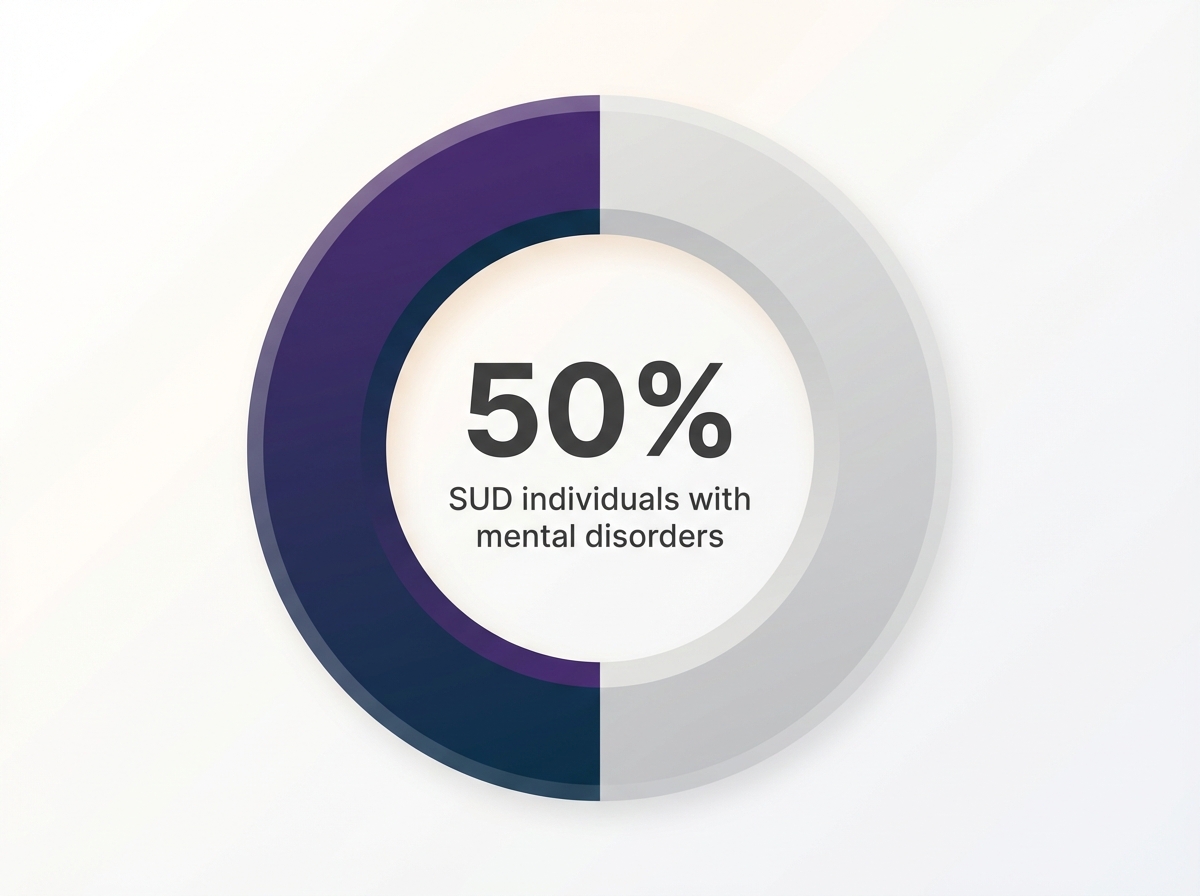
About half of individuals entering Oregon drug rehabilitation programs also face a co-occurring mental health condition, such as depression, anxiety, or PTSD. Integrated treatment—where substance use and mental health issues are addressed together—is now the standard across the state, from the Portland metro to Central Oregon and rural areas. Studies show that this approach improves completion rates by up to 40% and reduces relapse risk compared to separate treatment. For families, it’s important to know that most Oregon providers are required to assess for both conditions and tailor support accordingly. Open communication with treatment teams helps ensure that both needs are met.9
Why do insurance companies sometimes deny or delay addiction treatment coverage in Oregon?
Insurance companies in Oregon sometimes deny or delay addiction treatment coverage due to restrictive prior authorization policies and coverage limits that go beyond what’s required for other medical care. Although the Mental Health Parity and Addiction Equity Act is meant to ensure equal coverage, about 42% of commercial insurers in the state still apply discriminatory practices—creating a major barrier for families seeking timely access to drug rehabilitation programs. These delays can be particularly frustrating for professionals supporting loved ones in urgent need, and they often lead to prolonged waiting periods or even treatment denials.10
How quickly can someone typically begin treatment at an Oregon facility?
Admission timelines for Oregon drug rehabilitation programs can vary, but many facilities in the Portland metro and Willamette Valley regions are able to schedule intake assessments within a few days if beds or slots are available. In urgent cases—such as after a hospital discharge or overdose—some programs may offer same-day or next-day admission, particularly if referrals are coordinated by healthcare or intervention professionals. However, in rural and Central Oregon, longer waitlists are common due to workforce shortages and 60% fewer treatment slots per capita compared to urban areas. Telehealth assessments can help speed up the process statewide, but insurance approvals and documentation may still cause delays.7
What continuing education requirements do Oregon addiction counselors need to maintain?
Oregon addiction counselors must meet rigorous continuing education requirements to maintain their credentials. State regulations mandate that Licensed Professional Counselors working in drug rehabilitation programs complete 40 hours of continuing education annually, with a focus on evidence-based practices such as trauma-informed care and integrated mental health approaches. Regular training updates ensure counselors stay current on evolving modalities and regulatory expectations, from medication-assisted treatment protocols to culturally competent service delivery in diverse regions like Portland, Central Oregon, and the rural panhandle. This commitment helps maintain a skilled workforce ready to support families statewide.7
References
- National Survey on Drug Use and Health (NSDUH) - State-Level Data. https://www.samhsa.gov/data/nsduh
- Oregon Health Authority - Division of Vital & Public Health Statistics. https://www.oregon.gov/oha/HPA/dVPB/Pages/index.aspx
- Principles of Drug Addiction Treatment: A Research-Based Guide (NIDA). https://www.nida.nih.gov/publications/principles-drug-addiction-treatment
- Medications for Opioid Use Disorder - SAMHSA Resource Guide. https://www.samhsa.gov/medications-substance-use-disorders/medications-counseling-behavioral-therapies
- Treatment Episode Data Set (TEDS) - State Admissions. https://www.samhsa.gov/data/nmduh/reports
- American Society of Addiction Medicine (ASAM) - Criteria & Standards. https://addiction.medicine.iacp.org/
- Oregon Health Authority - Health Policy & Analysis. https://www.oregon.gov/oha/HPA/Pages/default.aspx
- Trauma-Informed Care in Substance Use Disorder Treatment (NIH/NCBI). https://www.ncbi.nlm.nih.gov/pmc/articles/PMC6001156/
- NIDA - Addiction and Co-occurring Mental Illness. https://www.nida.nih.gov/research-topics/comorbidity/addiction-mental-illness
- Mental Health Parity & Insurance Coverage Requirements (SAMHSA). https://www.samhsa.gov/mental-health-parity
Relapse Doesn't Mean the End Of Your Journey
Reach out today to explore programs that support real, long-term sobriety.